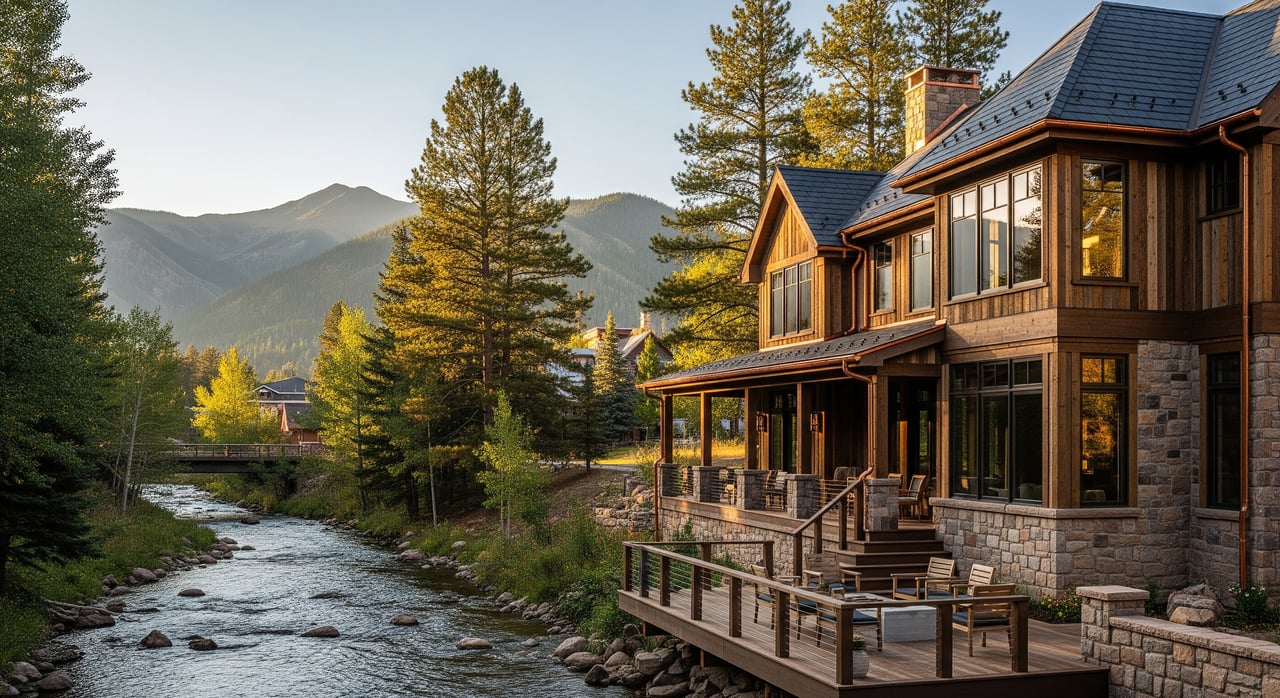
Thinking about swapping city pace for mountain air? If Idaho Springs is on your list, you’re not alone. This small, historic town offers a charming downtown, quick access to outdoor fun, and a real sense of place. In this guide, you’ll learn what daily life looks like, how the I‑70 commute actually feels, which home types are common, and what to verify before you buy. Let’s dive in.
Idaho Springs at a glance
Idaho Springs sits along Clear Creek in a mountain valley just west of Denver. You reach it as one of the first towns off I‑70 heading into the high country. The community is small, with a walkable historic core and neighborhoods tucked into the surrounding hills.
Elevation sits in the mid‑7,000s feet, so you should plan for thinner air, cooler temperatures, and winter weather. Tourism ebbs and flows through the year, with summer hiking and sightseeing, fall leaf peeping, and winter visitors for hot springs and ski access.
Why people move here
- You want mountain living with a manageable drive to Denver.
- You love the character of historic downtowns and easy trail access.
- You prefer a small‑town pace with essential services nearby.
- You value a home base that can support an outdoor lifestyle year‑round.
Housing types and what to expect
Idaho Springs offers a mix of historic homes, mountain properties, and attached options. Inventory is often limited because of steep terrain and a compact town footprint, so it pays to be prepared.
Historic homes near downtown
You’ll find cottages and Victorian‑era homes on smaller lots close to restaurants and shops. These properties often come with older systems and unique layouts. Inspections are essential. Parking can be tight and winter street conditions can feel snug, so test access at different times of day.
Mountain homes and cabins
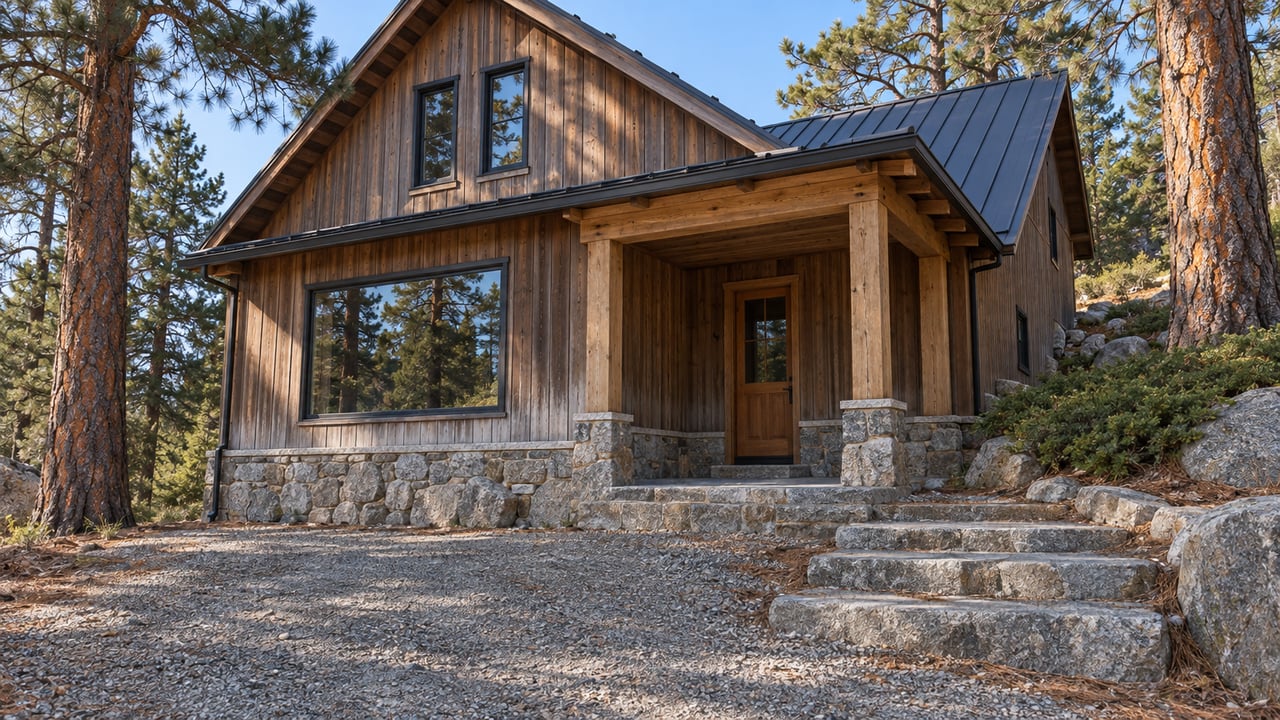
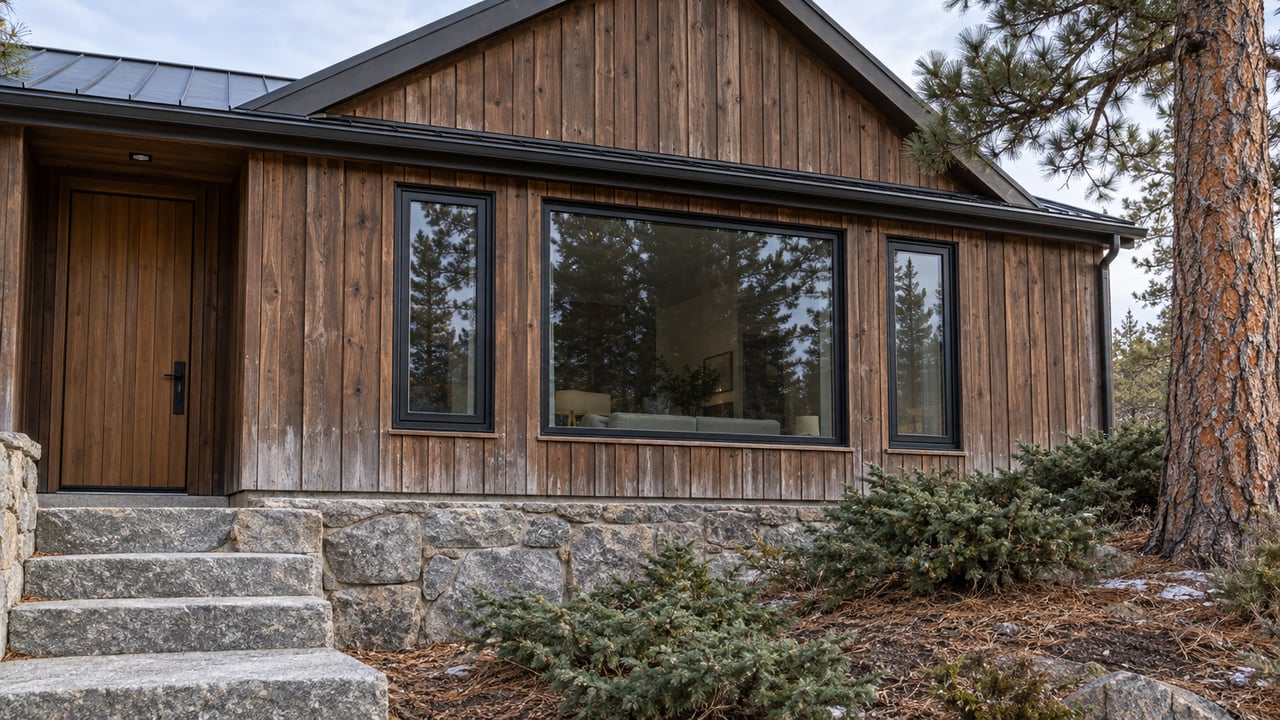
Outside the core, single‑family homes and cabins sit on hillside or wooded parcels. Many rely on wells and septic systems rather than municipal services. Driveway grades and winter maintenance can vary by neighborhood. Confirm utility setups, plowing arrangements, and typical access after storms.
Condos, townhomes, and small multiunit buildings
There are attached options both in town and nearby. Some buildings serve seasonal users or short‑term rentals. Regulations can change, so if you plan to rent, check city and county rules first. Attached living may simplify maintenance while keeping you close to downtown.
Ownership considerations for mountain properties
- Water and sewer: Properties outside municipal service often use well and septic. Budget for water testing, septic inspections, and ongoing maintenance.
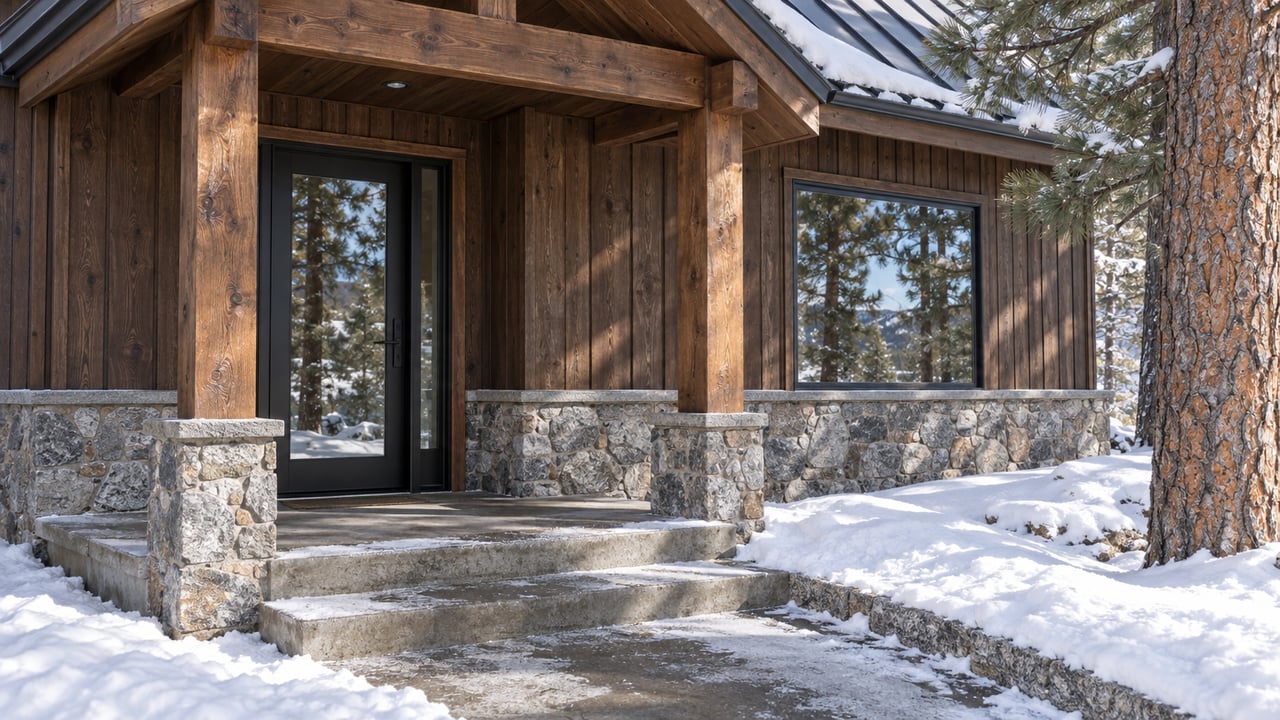
- Weather and elevation: Freeze and thaw cycles, roof snow loads, and ice can affect roofs, driveways, and foundations.
- Insurance: Premiums can reflect wildfire risk and seasonal hazards. Get quotes early in your search.
- Renovation reality: Older homes may need updates. Confirm permitting and zoning before planning changes or additions.
The I‑70 commute and transportation
I‑70 is the primary link between Idaho Springs, Denver, and the ski corridor. The highway makes the town feel close, but conditions can shift quickly with weather and traffic.
Drive times and winter travel
In ideal conditions, you can reach central Denver in roughly 35 to 45 minutes. During peak ski traffic, accidents, construction, or winter storms, trips can take much longer. Plan for variability, allow buffer time for appointments, and carry winter gear when conditions change.
Transit and alternatives
There is no direct commuter rail to Denver. Regional bus options and Park‑and‑Ride lots exist along the corridor, but service is not as frequent as urban lines. Many residents use flexible work hours, occasional remote work, or carpooling to avoid peak congestion.
Safety and planning tips
- Check road and traction requirements before you leave, especially in winter.
- Test the commute at your actual work start and end times.
- Consider how delays might affect childcare and school schedules.
Everyday services and practical living
Schools overview
Public schools are served by Clear Creek School District RE‑1, which covers the county. Idaho Springs typically has elementary and secondary options within the district. For current assignments, enrollment, and data, review district and state resources directly.
Healthcare and emergency services
Small mountain towns offer limited hospital services. For major care, the Denver metro area has the nearest full‑service hospitals. Local clinics and urgent care may be closer for everyday needs. Confirm EMS response expectations for the neighborhoods you’re considering.
Utilities and municipal services
- Water and sewer: Downtown and parts of the city connect to municipal systems. Outlying homes commonly use wells and septic.
- Energy: Electricity and natural gas come from regional providers. Ask about average usage and outage history.
- Trash and recycling: Service can be municipal or private. Winter storms may shift pickup schedules.
Internet and cellular coverage
Availability varies by location. In‑town addresses may access cable or fiber. Rural parcels often rely on DSL, fixed wireless, or satellite. Cellular coverage in valleys can be inconsistent. Always confirm options and speeds at the exact property address.
Groceries, shopping, and services
Idaho Springs offers small grocery and retail choices along with everyday services. For big‑box shopping or specialty stores, many residents drive to Golden, Lakewood, Wheat Ridge, or other stops along the I‑70 corridor.
Lifestyle highlights
Walkable historic downtown
The heart of Idaho Springs is its main street, lined with restaurants, bars, coffee spots, antique shops, and services. Mining history shows up in local landmarks and museums, giving the area a distinct identity.
Hot springs and local attractions
The town is known for its hot springs and the storied Argo Gold Mill & Tunnel. These spots draw visitors in every season and give you easy weekend plans close to home.
Quick access to ski areas and trails
Several ski areas sit within a 30 to 60 minute drive on I‑70, and Echo Mountain is one of the closer operations for day trips. Trailheads, creekside paths, and nearby wilderness access make after‑work hikes and weekend adventures simple.
Community events
You’ll find seasonal festivals and small‑town gatherings throughout the year. These events help newcomers meet neighbors and learn local routines.
What to look for during showings
- Access and slope: Walk the driveway, consider winter sun exposure, and see where snow and ice may linger.
- Water and waste systems: If the home has a well and septic, ask for recent test results and inspection records.
- Maintenance history: Review roof age, heating systems, and past repairs. Look for signs of freeze damage or drainage issues.
- Parking and street width: In historic areas, check street parking rules and how plows operate after storms.
- Internet and cell test: Run a speed test and make calls on your carriers inside and outside the home.
Short‑term rentals and zoning
Vacation rentals exist due to hot springs and proximity to ski areas. City and county ordinances can regulate permits, occupancy, and locations. If you are buying with rental income in mind, verify rules, licensing steps, and any HOA restrictions before you write an offer.
Buying and selling realities
Demand stays strong for well‑located mountain properties near Denver, but inventory can be tight and seasonal. If you are buying, pre‑approval and quick scheduling help you compete during peak times. If you are selling, professional presentation, accurate pricing, and broad exposure are key, especially when winter weather affects showing schedules.
Smart next steps
Use this practical checklist to move forward with confidence:
- Get mortgage pre‑approval so you know your budget and can move quickly.
- Partner with a local agent who understands wells, septic systems, road maintenance, and internet options by neighborhood.
- Visit in multiple seasons to see traffic patterns, snow removal, and sun exposure in winter.
- Verify property specifics early: utility maps, well yield, septic inspection, floodplain considerations, geologic or foundation reports, and wildfire risk.
- Confirm insurance quotes based on location, construction type, and access.
- Check city and county ordinances for short‑term rental rules, permits, and remodeling requirements.
- Test the commute during your actual work hours and again during a snow event if possible.
How we can help
You deserve guidance that blends lifestyle goals with the realities of mountain living. Our team specializes in Clear Creek County and nearby foothills, pairing hands‑on local expertise with modern tools like IDX search, polished listing marketing, and clear, responsive communication. Whether you are exploring historic homes near downtown or a cabin tucked into the trees, we can help you evaluate utilities, access, seasonal maintenance, and long‑term value.
Ready to start? Reach out to the Alpine Peaks Team for a friendly strategy call, neighborhood insights, and next steps. If you are selling, ask about our presentation approach and how we position your home to reach the right buyers. If you are buying, we will tailor a search that fits both your lifestyle and the practical details that matter in the mountains. Get your instant home valuation or book a consultation to explore Idaho Springs with confidence.
FAQs
Is Idaho Springs a good home base for Denver commuters?
- Yes, many residents commute via I‑70. Under ideal conditions, plan around 35 to 45 minutes to central Denver, with longer times during storms or peak ski traffic.
What home types are most common in Idaho Springs?
- You’ll find historic cottages and Victorians near downtown, mountain homes and cabins on larger parcels, and a selection of condos and townhomes.
Do many homes use wells and septic systems in Clear Creek County?
- Outside municipal service areas, wells and septic systems are common. Always budget for testing, inspections, and ongoing maintenance.
How reliable is internet and cellular service in the area?
- It varies by location. In‑town addresses may have cable or fiber. Outlying homes often rely on DSL, fixed wireless, or satellite. Test speeds and cell coverage at the property.
Are short‑term rentals allowed in Idaho Springs?
- Vacation rentals exist, but city and county rules regulate them. Check current ordinances and any HOA restrictions before you buy for rental use.
What should I look for in a winter‑ready mountain home?
- Evaluate roof condition and snow loads, driveway slope and sun exposure, road plowing, insulation, heating systems, and backup plans for icy days.
Where do residents go for major medical care?
- Small towns have limited hospital services. For full‑service care, most residents travel to the Denver metro. Local clinics and urgent care may be closer for routine needs.