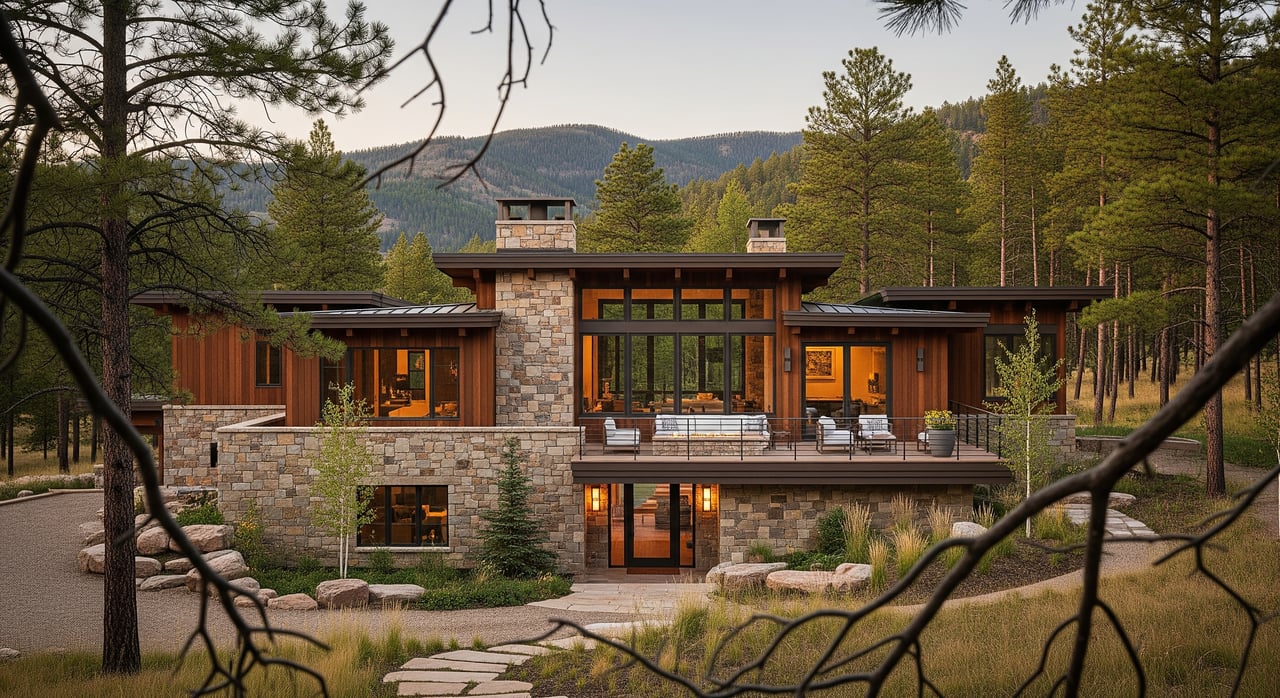
Thinking about a foothills move but torn between Evergreen and Conifer? You’re not alone. Both offer pine‑scented air, wildlife, and trail access, yet the day‑to‑day feel can be very different. In this guide, you’ll see how the two compare for housing, lot size, commute, amenities, and outdoor life so you can choose with confidence. Let’s dive in.
Evergreen vs Conifer at a glance
| Priority | Evergreen | Conifer |
|---|---|---|
| Town character | Established foothills town centered on Evergreen Lake and historic downtown | Quieter, more rural and dispersed along Hwy 73 and US‑285 |
| Housing styles | Older cabins, mid‑century, renovated mountain contemporaries, and newer higher‑end builds | Cabins, log and ranch‑style homes, and many newer custom builds |
| Lot sizes | More small to medium lots, about 0.25–1 acre in many areas | More 1+ acre parcels, with options from 5 to 40+ acres |
| Utilities | Mix of municipal and private systems; some areas have water/sewer districts | More private wells and septic systems across rural parcels |
| Amenities | Denser retail and dining in and near downtown | Smaller retail clusters; many residents drive for some services |
| Trail access | Lake, in‑town trails, and nearby open space | Quicker access to larger trail systems and Staunton State Park |
| Commute | Generally shorter drives to many Front Range hubs | Often adds 10–30+ minutes depending on route and destination |
| Transit | Limited regional service; most residents drive | Limited regional service; most residents drive |
| Wildfire exposure | In and near WUI zones; varies by neighborhood | More deep‑forest parcels, often higher exposure |
| Seasonal living | Cooler temps, snow, shorter growing season | Similar climate and elevation patterns |
Housing and lots: what to expect
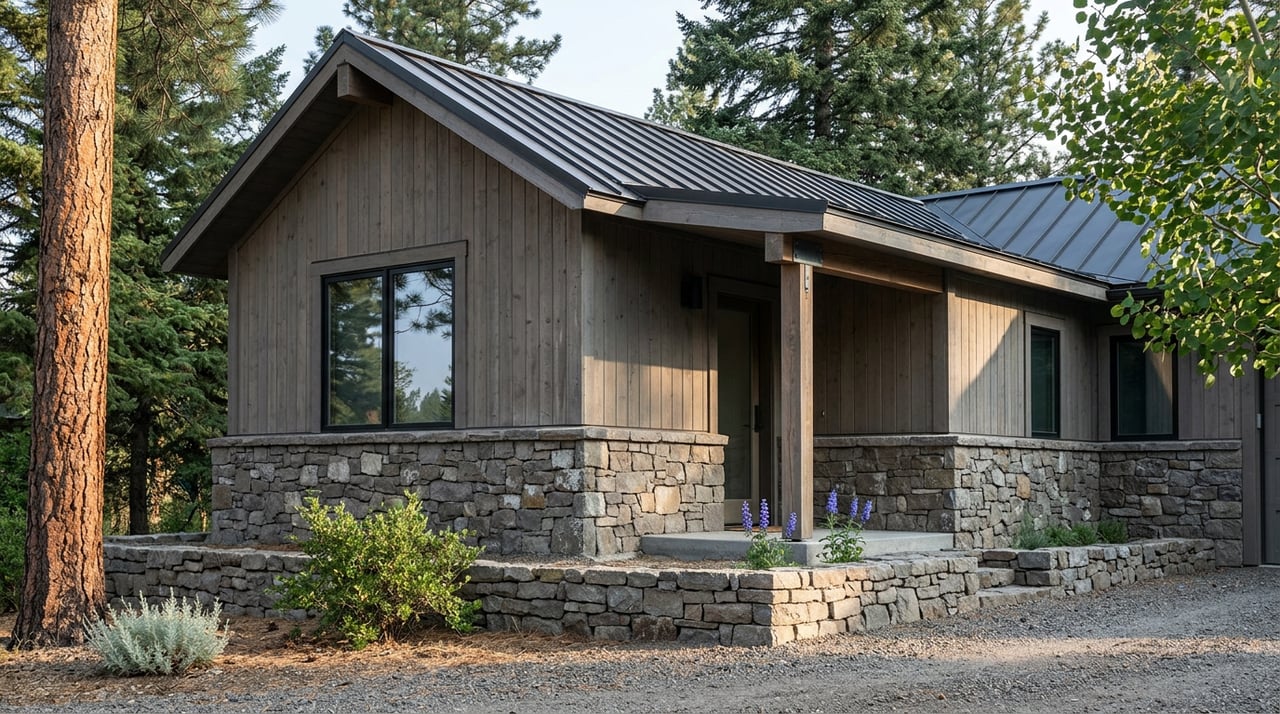
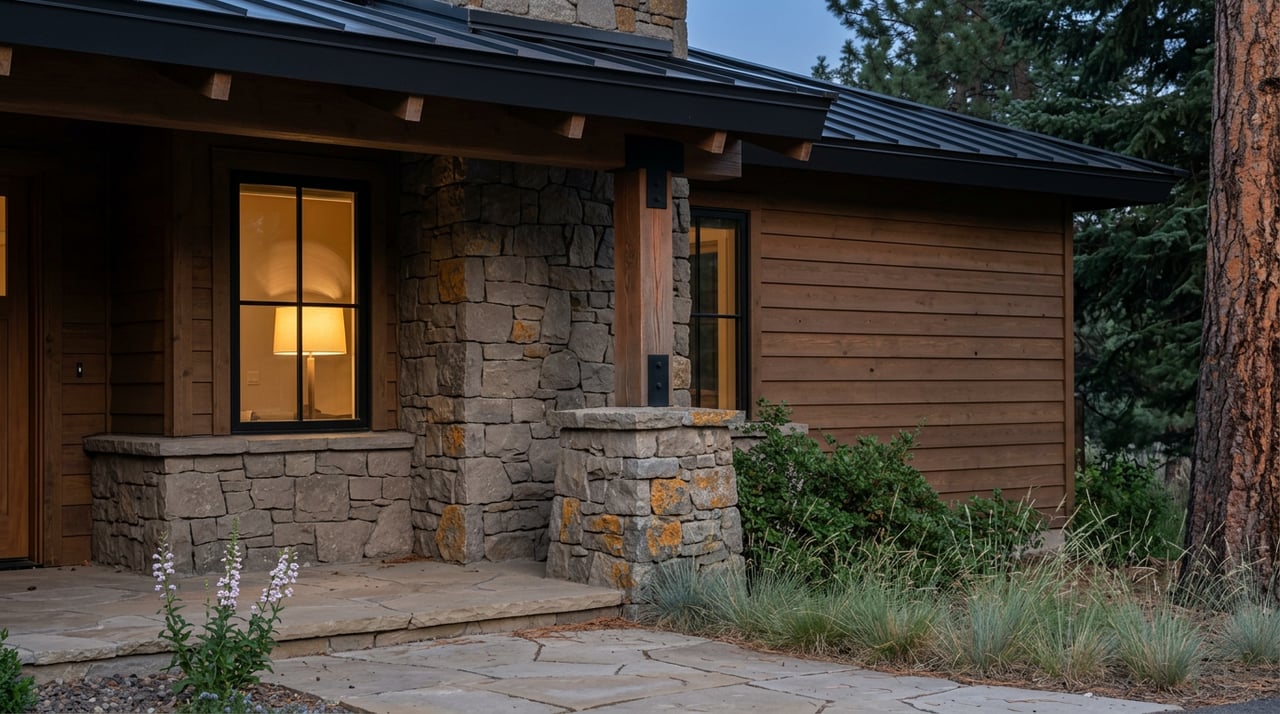
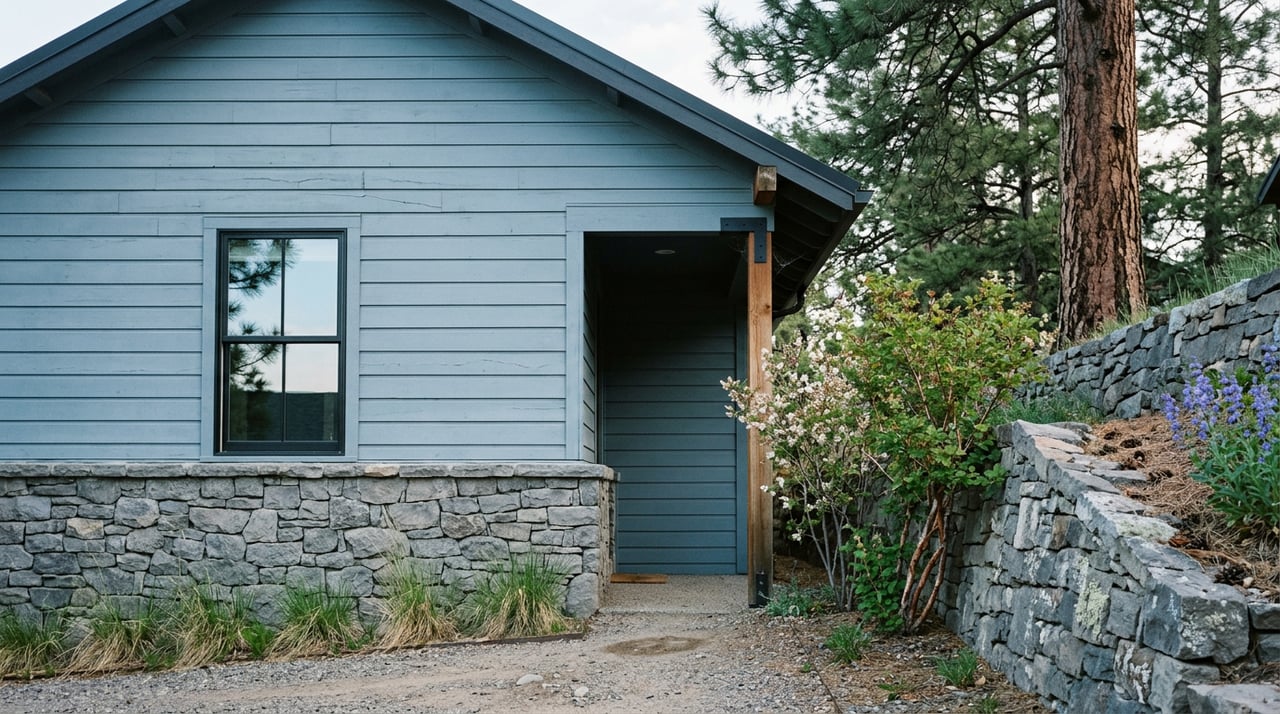
Evergreen offers variety. You’ll see older cottages and cabins, mid‑century homes, renovated mountain contemporaries, and newer upscale builds. Established subdivisions and historic areas create a mix of architectural styles and lot sizes.
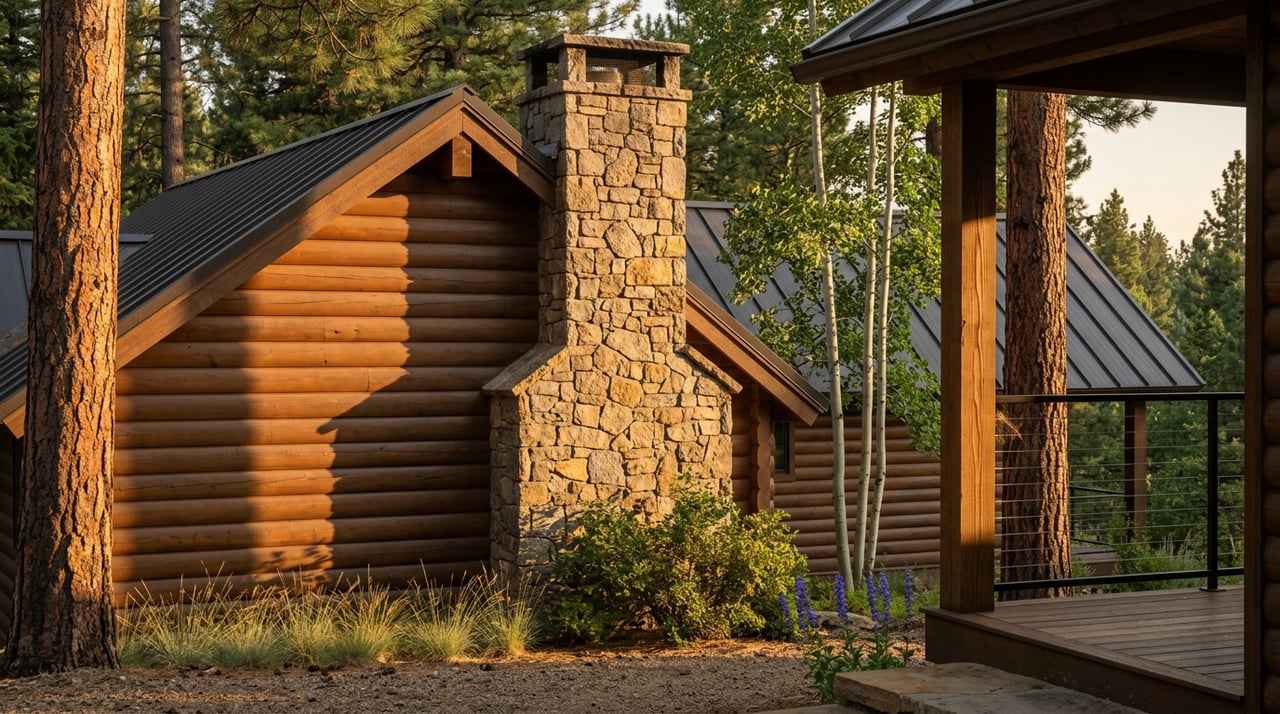
Conifer leans rural. Expect cabins, log and ranch‑style homes, and many newer custom builds tucked among the trees. Parcels with long driveways and forested settings are common.
Lot size is a key differentiator. Evergreen has more small to medium lots in many neighborhoods, with larger parcels in select pockets. Conifer has a higher share of 1+ acre properties, including many 5 to 40+ acre tracts in semi‑rural and rural areas.
Zoning and HOAs vary in both areas. You’ll find a mix of county zoning and local districts, with HOAs present in some subdivisions but not all. If you are eyeing outbuildings or short‑term rental potential, verify allowed uses with county zoning for the specific address.
Utilities can shape your budget. Many homes in both communities use private wells and septic systems, especially in Conifer and older Evergreen neighborhoods. Some Evergreen subdivisions and commercial areas have municipal or metro‑district water and sewer. Steeper slopes, rock outcrops, and heavy tree cover also add complexity and cost for new builds or major renovations.
Daily convenience and services
Evergreen’s downtown concentrates groceries, dining, coffee, and services, which can make quick errands easier. Conifer has smaller service clusters along major roads, and many residents drive to Evergreen, Morrison, or south along US‑285 for broader shopping.
Both areas fall under Jefferson County Public Schools. Each has local elementary, middle, and high schools that serve nearby neighborhoods. Always verify school boundaries and transportation for the property you are considering on the district website.
Healthcare is close by for urgent needs, with full hospitals a drive away in the Denver metro. Fire, EMS, and ambulance services are provided by local fire protection districts. Response times vary based on access and remoteness.
Road maintenance differs by jurisdiction. County roads, state highways, and private roads are handled by different parties. In Conifer, private road maintenance and snow removal can be a homeowner responsibility more often than in Evergreen. Confirm who maintains your road before you buy.
Trail access and outdoor life
If you want in‑town loops and a scenic centerpiece, Evergreen Lake and the surrounding trail network are a big draw. You can enjoy year‑round recreation, including walking, cross‑country skiing, and seasonal ice skating when conditions allow.
If you prefer bigger mileage and wilder terrain, Conifer places you closer to Staunton State Park and a concentration of multi‑use trailheads and open space. Access to longer hikes, mountain biking routes, and backcountry‑style experiences is often quicker from many Conifer addresses.
The broader corridor benefits from Jefferson County Open Space, including Alderfer/Three Sisters and other nearby preserves. In short, Evergreen offers convenient, shorter outings near town, while Conifer typically puts you closer to larger trail systems and state parkland.
Commute and mobility
Your commute will hinge on location, route, and weather. Primary roads include Highway 73 between Evergreen and Conifer and US‑285 east to the Denver area. Evergreen’s position generally translates to shorter drives to many Front Range employment centers and access to I‑70 via connector roads.
From Conifer, plan for additional time. Depending on destination and traffic, living in Conifer can add 10 to 30+ minutes to your drive. Peak‑hour congestion, crashes, and winter storms can amplify delays on US‑285 and connector roads.
Public transit options are limited compared with the Denver metro, so most residents rely on private vehicles. If you expect to commute regularly, budget extra time, invest in winter tires, and follow mountain travel guidance during storm cycles.
Wildfire, insurance, and upkeep
Both areas sit in or near wildland‑urban interface zones. Conifer includes more deep‑forest parcels, which often means higher wildfire exposure. That can influence insurance premiums and underwriting. Insurers consider defensible space, mitigation work, and construction features when evaluating risk.
Before you buy, ask about wildfire mitigation and recent fuel reduction. Local fire protection districts and the Colorado State Forest Service provide guidance on defensible space and hazard tree removal. Factor in ongoing vegetation management as a regular part of foothills homeownership.
Climate and seasonal living
At higher foothills elevations, you can expect cooler temperatures than Denver, more snowfall, stronger sun, and a shorter growing season. Snow removal, winter heating costs, and vehicle preparedness are part of the routine. Microclimates vary widely lot to lot, so sun exposure, wind, and snowpack can differ even within the same neighborhood.
Budget and market context
Evergreen has historically posted higher median prices than Conifer, thanks to town amenities, proximity to Front Range corridors, and neighborhood services. Conifer often offers more land for the dollar, although prices vary by acreage, access, views, and home condition.
Inventory in the foothills can be tight, especially in active market periods. Well‑priced and well‑located homes often move quickly. Unique rural properties, older cabins, and homes with wells and septic can bring extra lending and appraisal steps. Expect lenders to request documentation for wells, septic systems, and any non‑standard improvements.
Decision guide: which fits your lifestyle?
Choose Evergreen if you value:
- A stronger town center with nearby dining and services.
- Generally shorter drives to many Front Range hubs and I‑70.
- A mix of historic charm and renovated mountain homes on smaller to medium lots.
Choose Conifer if you value:
- Privacy, acreage, and deeper forest settings.
- Faster access to larger trail networks and state parkland.
- A quieter, more rural feel and are comfortable with longer drives and more property maintenance.
Property checklist for both areas
Use this quick checklist as you evaluate specific homes:
Utilities and infrastructure
- Confirm if the home is on municipal or district water and sewer, or private well and septic. Request recent tests, inspections, and pump records for private systems.
- Verify who maintains the access road and how snow removal is handled.
- Ask which broadband and cell providers serve the address, and request speed test data if connectivity matters to you.
Wildfire and vegetation
- Ask if defensible space has been established and whether recent mitigation or hazard tree work has been done.
Title, access, and easements
- Confirm recorded easements, driveway rights‑of‑way, and seasonal access realities.
Zoning and potential uses
- Check county zoning for rules on accessory buildings, short‑term rentals, and possible subdivision.
Schools and services
- Verify school boundaries and transportation options for the specific address. Ask about typical fire and EMS response patterns in the area.
Seasonal livability
- Ask about winter access history, drifting or icy sections, and typical driveway snow depth and maintenance.
Insurance and financing
- Get an insurance quote early. Clarify lender requirements for wells, septic, and unique property features.
Resale considerations
- Consider proximity to town, paved access vs long dirt driveways, views, privacy, and trailhead access when thinking about long‑term marketability.
Next steps
Seeing both communities in person is the best way to decide. Walk a downtown block in Evergreen, then tour a few forested lanes in Conifer. Take a test drive during your typical commute time and visit a couple of trailheads. If you want a local, side‑by‑side game plan, reach out to the Alpine Peaks Team. We’ll help you match lifestyle priorities with the right properties and neighborhoods.
FAQs
Which area offers a shorter Denver commute?
- Evergreen generally provides shorter drives to many Front Range employment centers, but actual times depend on your exact address, route, traffic, and weather.
Where will I get better trail access for longer hikes?
- Conifer typically offers quicker access to larger trail systems and state parkland, including nearby Staunton State Park.
Is homeowner insurance harder to get in Conifer?
- Many Conifer parcels sit deeper in forested areas, which can increase wildfire exposure; insurance impacts are case by case and depend on mitigation and property features.
How important is checking well and septic before buying?
- Very important in both communities; request recent well tests and septic inspections and confirm system capacity and maintenance history.
Will winter weather make daily life difficult?
- You will need a plan for snow removal, winter tires, and extra travel time during storms; with preparation, most residents manage seasonal conditions well.
How do schools work in Evergreen and Conifer?
- Both are served by Jefferson County Public Schools, with local elementary, middle, and high schools; verify the exact school assignment for your specific property with the district.
Who maintains the road to my house?
- It varies; county roads, state highways, and private roads have different maintenance responsibilities, so confirm snow removal and maintenance before closing.