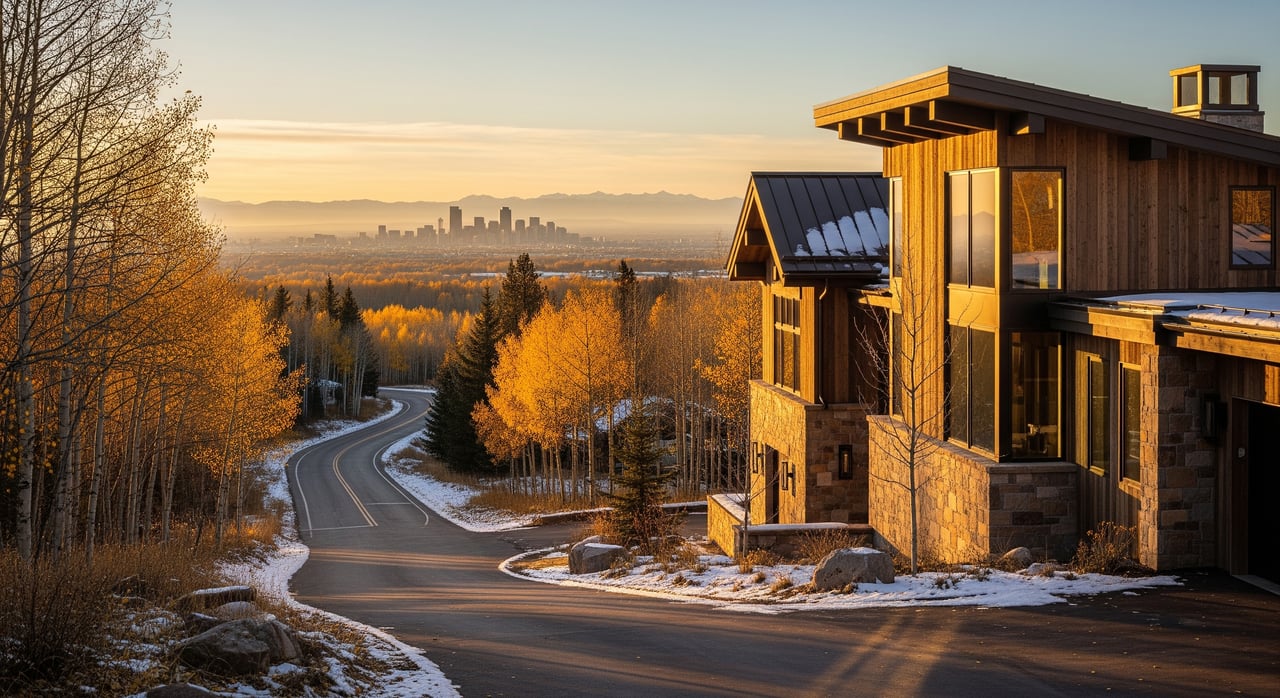
Thinking about trading Denver’s bustle for more space and mountain views in Bailey, but unsure about the daily drive? You are not alone. Many buyers love the foothills lifestyle yet want a clear picture of what the US‑285 commute really feels like. In this guide, you will learn how the corridor functions, what time windows matter most, which alternatives commuters use, and how to plan for winter and hybrid work. Let’s dive in.
US‑285 corridor overview
US‑285 is the primary route from Bailey into the Denver metro. Much of it runs as two lanes through the foothills with curves, grades, and changing speed limits. You pass small communities like Pine and Conifer before reaching suburban road networks closer to the city.
Because there are few convenient alternates, any crash, roadwork, or winter restriction can create significant delay. Traffic is a mix of local drivers, freight, school buses, and seasonal visitors. That blend makes conditions variable, especially at peak times and on popular recreation weekends.
The key takeaway is simple. Expect variability and plan ahead. A reliable commute in this corridor is less about a single number and more about building a flexible routine that handles good days and tough ones.
Commute time windows
Morning inbound traffic generally builds between about 6:00 and 9:00 AM, with the busiest period tied to common office start times. Evening outbound flow typically runs from about 3:30 to 6:30 PM. Flexible schedules can shift these windows, but the pattern holds most weekdays.
Actual drive times depend on your exact destination, weather, and incidents. Off‑peak trips are usually smoother but still take time due to distance and roadway geometry. During peak hours or winter conditions, travel can increase significantly. When you plan where to live and how to work, anchor your expectations on realistic ranges rather than best‑case days.
Common delay causes
- Collisions and clearing on two‑lane stretches
- Winter conditions like snow, ice, and reduced visibility
- Roadwork with single‑lane flagging
- Seasonal visitor traffic on Fridays and Sundays
Transit and Park‑and‑Ride options
Direct fixed‑route transit from Bailey into central Denver is limited. Most commuters rely on a hybrid strategy. They drive part of the way, then connect to transit or rides for the final leg. Park‑and‑Ride lots and commuter hubs closer to the west side of the metro can reduce your time on the most variable stretches.
Carpooling with coworkers or neighbors is another way to ease the drive, cut costs, and sometimes access HOV options where available. Some employers organize shuttles or commuter vans for staff traveling from mountain communities. Availability changes, so confirm schedules, lot rules, and fees before you count on any one option.
Micro‑commuting strategies
- Start early or late to miss the tightest peak window.
- Use a compressed workweek to reduce weekly trips.
- Park at a commuter hub and take transit for the final segment.
- Batch in‑town errands on office days to limit extra trips.
Winter travel and safety
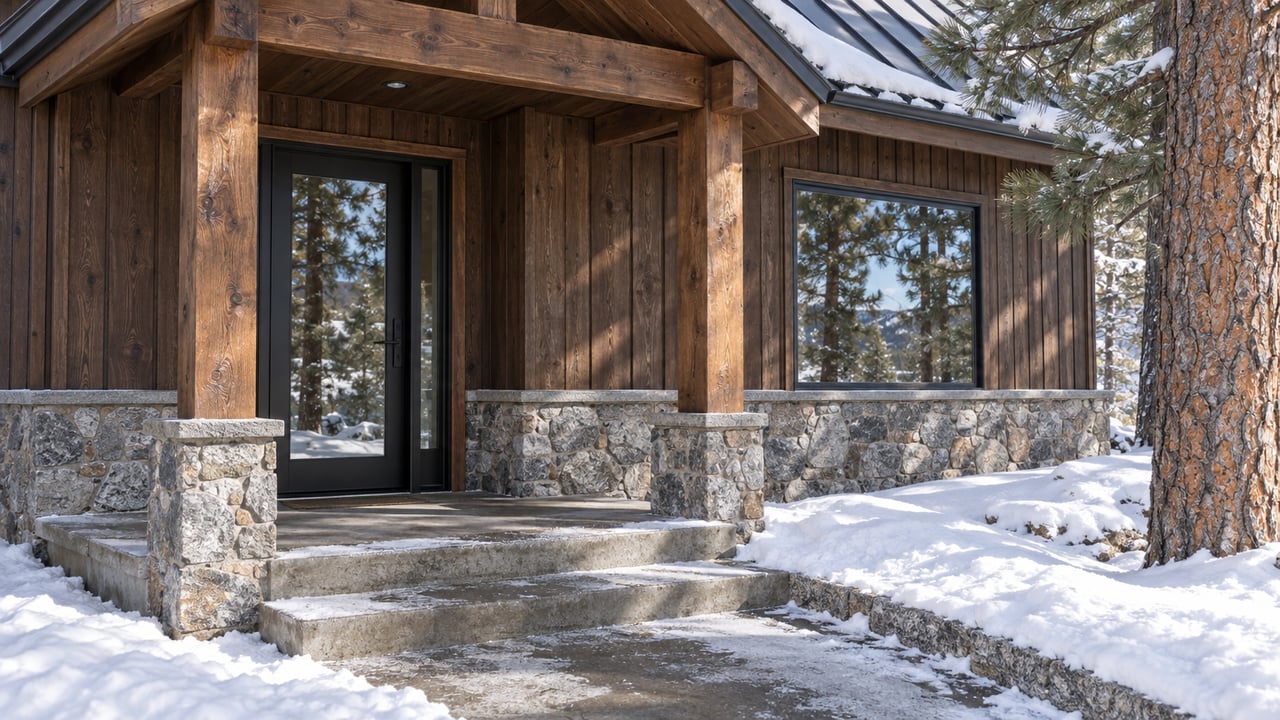
Snow and ice are the biggest recurring disruptors in the foothills. Slippery curves, changing elevation, and limited shoulders can slow traffic and raise incident risk. During severe storms, traction laws or chain restrictions may apply. If your vehicle is not prepared, you may be turned around.
Plow timing can vary, and remote segments sometimes take longer to clear than suburban roads. Plan for slower travel on storm days and assume more cautious speeds around curves and shaded sections. Monitor official road and weather updates during active systems and leave earlier than usual when conditions change.
Vehicle and gear checklist
- All‑wheel drive or winter tires for year‑round reliability
- Ice scraper, shovel, traction aids, and jumper cables
- Warm clothing, blanket, water, and snacks
- Phone charger and backup power
- Familiarity with safe pullouts and chain‑up areas
Work patterns and tradeoffs
Hybrid and remote work have reshaped commuting. If you only travel to the office a couple of days each week, the Bailey location may feel very workable. If you are onsite most days, consider your tolerance for daily long drives and the impact on school pickups, appointments, and after‑work activities.
Think about the broader lifestyle tradeoff. Bailey often offers larger lots, more privacy, and a quieter setting for the same budget compared with many metro neighborhoods. The trade is more time in the car on commute days. The right answer depends on how often you travel, your schedule flexibility, and the value you place on space and setting.
Time versus value exercise
- List your expected onsite days per week.
- Estimate a realistic range of door‑to‑door times for those days.
- Calculate weekly hours spent commuting in an average month.
- Compare that time cost against the housing and lifestyle value you gain in Bailey.
- Consider whether flexible hours or a compressed schedule improves the equation.
Neighborhood access in Bailey
Your exact home location within Bailey matters. Properties closer to US‑285 reduce the initial minutes it takes to reach the highway. More remote homes can add time, especially if you have private roads or steeper driveways that need snow management.
Check road maintenance patterns near the property and understand how quickly your access is typically plowed. Think about driveway grade and sun exposure for winter melt. If you work from home, ask about reliable internet options and backup power strategies so storm days do not derail your schedule.
Sample weekly commute plan
Here is a simple framework you can adapt:
- Monday: Remote day. Schedule video meetings and deep work. Prep vehicle and gear for the week.
- Tuesday: Office day. Leave earlier than peak, drive the full route, and note any bottlenecks near your workplace.
- Wednesday: Office day. Park at a commuter hub closer to Denver and take transit for the last leg to test the difference.
- Thursday: Remote or flex day. Handle errands locally to avoid extra Denver trips.
- Friday: Office day with staggered hours. Leave after the peak homebound window if your schedule allows, or sign off earlier to beat Friday afternoon visitor traffic.
This pattern gives you real data on timing, stress levels, and the best route mixes for your situation.
Next steps for buyers
- Test the commute. Make multiple runs during morning and evening peaks on different weekdays.
- Time the drive to your exact workplace address. Repeat in different weather conditions.
- Try a Park‑and‑Ride connection for a day. Compare stress, time, and parking costs.
- Talk to your employer about flexible hours, hybrid days, or a compressed week.
- Prepare for winter. Ensure proper tires, emergency gear, and a routine for storm days.
- Consider home access. Evaluate driveway grade, plow plans, and proximity to US‑285.
If you are weighing the trade between more space and a longer commute, local guidance can make the difference. Our team lives and works this corridor and can help you match your lifestyle, budget, and schedule with the right part of Bailey and nearby foothills communities. When you are ready to explore, connect with the Alpine Peaks Team for thoughtful, local-first advice.
FAQs
How variable is the Bailey to Denver drive on US‑285?
- Travel time changes with destination, time of day, weather, and incidents. Plan around a range, not a single number, and test the route during peak windows to set your baseline.
Are there reliable transit options from Bailey into Denver?
- Direct fixed‑route options are limited. Many commuters drive to a Park‑and‑Ride closer to the metro, then use transit for the final segment or carpool with coworkers.
How much do winter storms affect US‑285 commuting?
- Snow and ice can significantly increase travel time and incident risk. Traction laws may apply during severe weather, so proper tires and a winter kit are essential.
What schedule tweaks help avoid peak traffic on US‑285?
- Start earlier or later, try a compressed week, or pair a Park‑and‑Ride with transit. Mixing methods across the week can reduce stress and improve consistency.
How should I evaluate a Bailey home’s commute impact?
- Map the exact route to your workplace, drive it at realistic times, and factor in driveway access, plow timing, and proximity to US‑285. Confirm your employer’s flexibility to handle storm days.