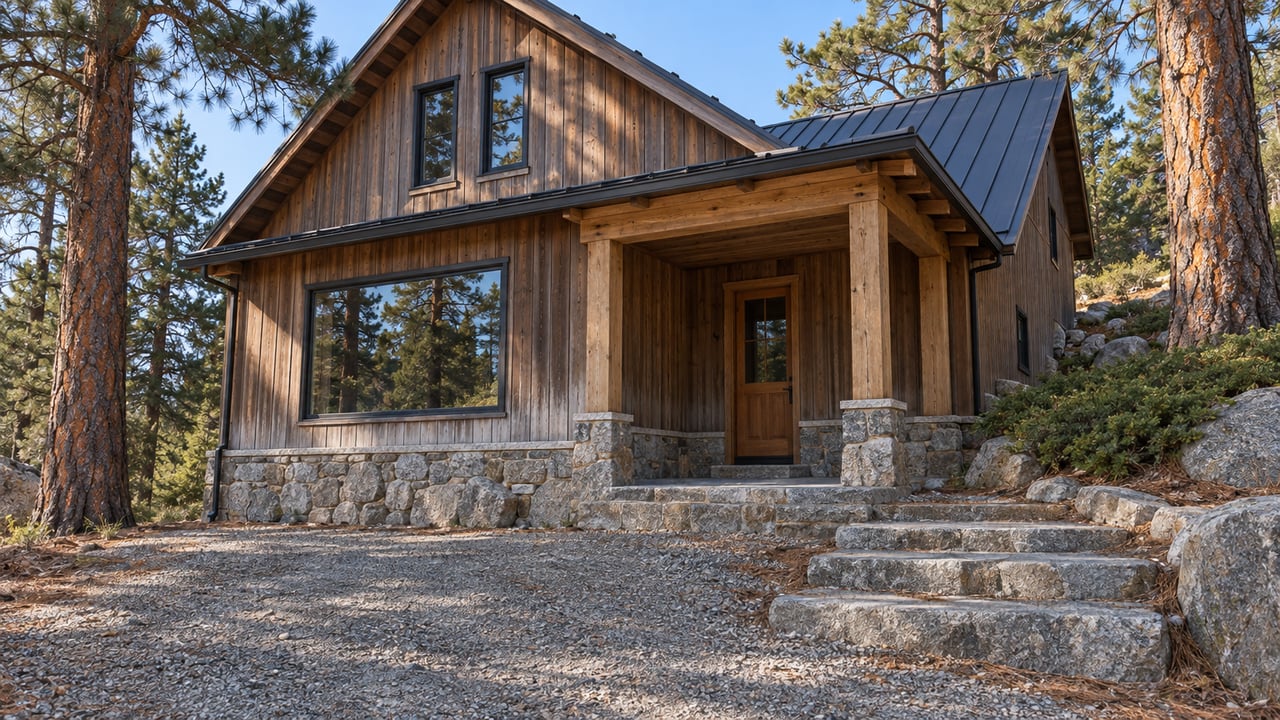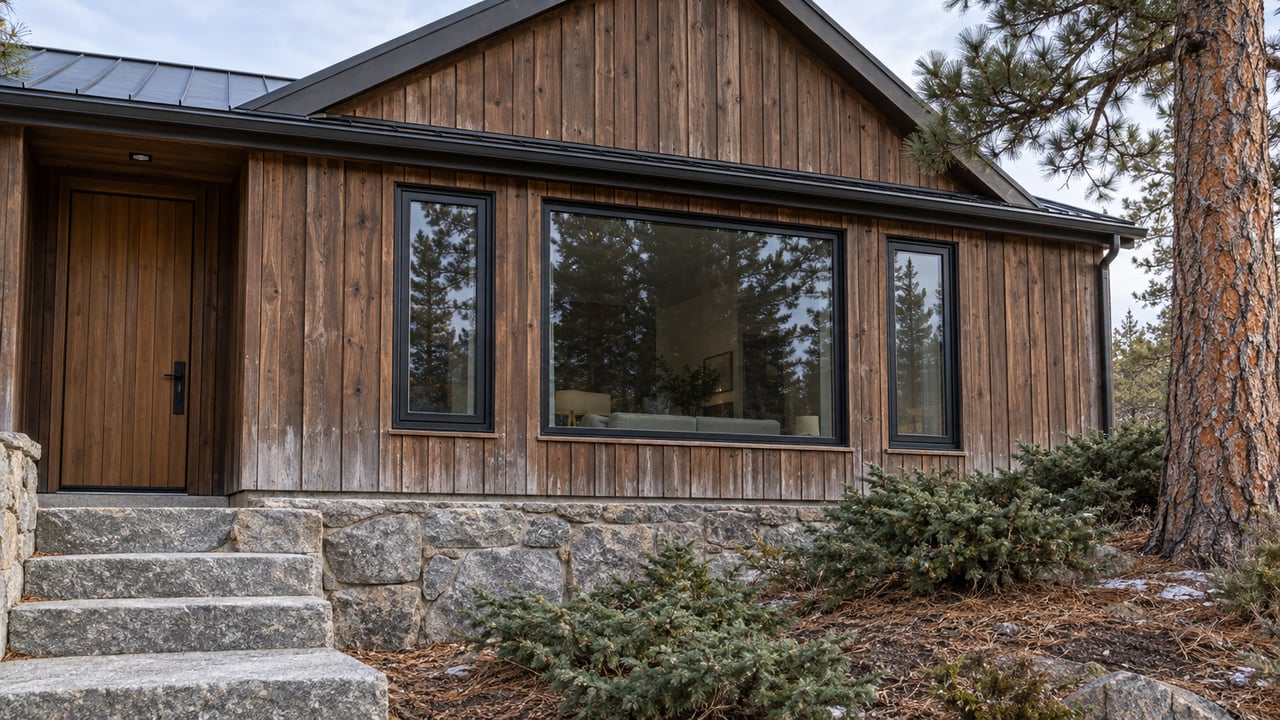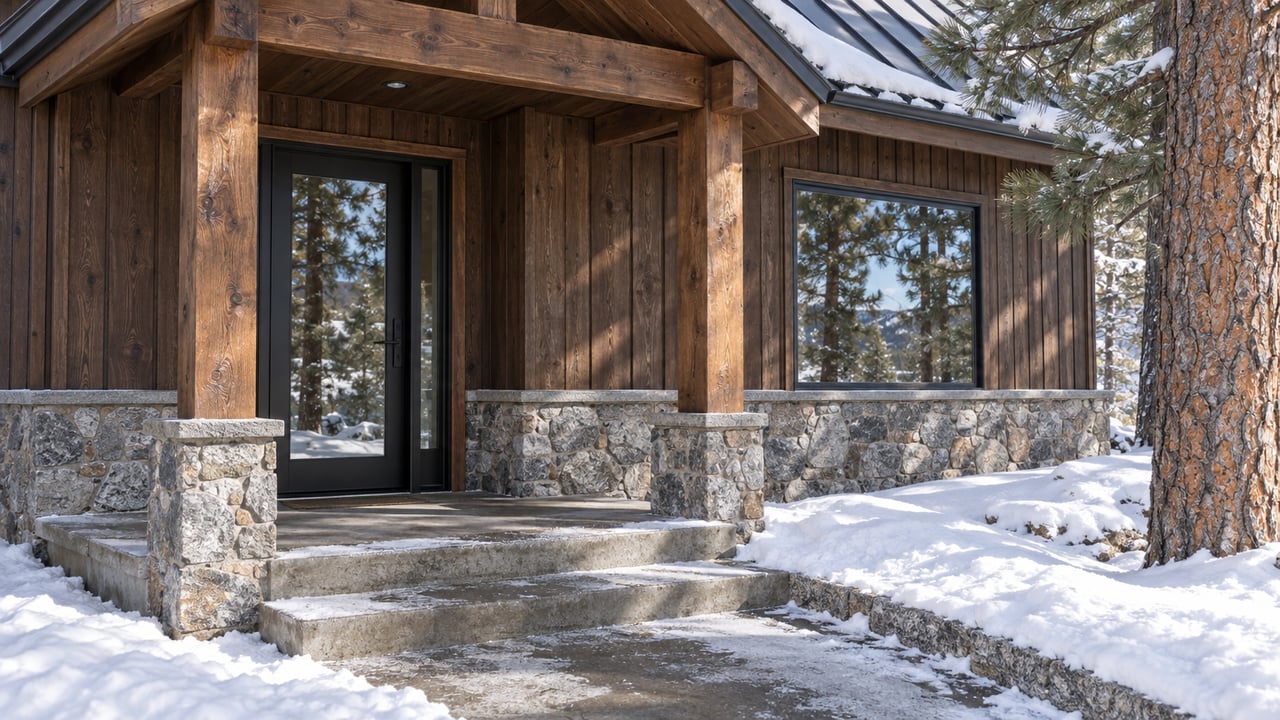
If you love the idea of mountain living but want to stay connected to Denver, Idaho Springs probably lands on your shortlist fast. The big question is not just whether you should buy here, but how you want to live here: as a full-time resident or as a weekend escape owner. Each path can work well, but the day-to-day experience is different. Let’s dive in.
Idaho Springs at a Glance
Idaho Springs is the largest municipality in Clear Creek County, with 1,802 residents counted in the 2020 Census. At the same time, it functions as a major mountain stop along I-70, and city materials note that roughly 40,000 vehicles pass through in each direction on a typical day.
That mix creates a unique lifestyle. You get a small-town setting with a historic core, but you also live in a place shaped by tourism, recreation, and steady regional traffic. The result is a town that can feel quiet on one block and energetic just a few minutes away.
The city also describes its downtown National Historic District as one of the most complete historic districts in Colorado, with restaurants and shops that draw hundreds of thousands of visitors each year. For you as a buyer, that means Idaho Springs often feels like both a hometown and a destination.
Full-Time Living in Idaho Springs
Daily life feels rooted
If you live in Idaho Springs full time, your experience is shaped less by weekend buzz and more by routine. You start to notice the practical side of town life: local services, familiar streets, neighborhood rhythms, and the benefits of being part of an active year-round community.
The city maintains core municipal services including public works, building, water, code enforcement, and a police department that says it operates 24 hours a day with officers on duty around the clock. That matters because full-time living here is not just about scenery. It is about having the structure and support that make daily life workable.
Local care is close by
For year-round residents, access to nearby services can make a big difference. Clear Creek County’s Health and Wellness Center, located at 1969 Miner Street in Idaho Springs, brings primary care and public health services together under one roof.
That setup can reduce how often you need to head to the Front Range for routine appointments. If you are comparing mountain towns, this is one of those practical details that carries real weight over time.
School routines have a mountain rhythm
If your household is planning around school schedules, Idaho Springs offers a setup that is distinct from many suburban areas. Clear Creek School District RE-1 describes itself as a tuition-free public district with a 4-day school week, optional Friday enrichment, transportation, no-cost after-school programming, and experiential learning.
Carlson Elementary is located in Idaho Springs at 320 Hwy 103, while Clear Creek Middle and High School are located in Evergreen. For some buyers, that structure fits a mountain-centered lifestyle well. It is a different rhythm from a typical suburban school pattern, and it is worth understanding before you decide how you want to live here.
Recreation is part of regular life
When you live in Idaho Springs full time, recreation is not just a weekend event. It becomes part of your normal routine. The Clear Creek Recreation Center includes a 25-yard pool, hot tub, dry sauna, fitness equipment, group classes, childcare, and meeting spaces.
The area also includes the Idaho Springs Sports Complex, Elmgreen Park, and multiple city parks such as Courtney Ryley Cooper Park, Citizens Park, Water Wheel Park, and Shelly/Quinn Fields and Skatepark. In summer, Courtney Ryley Cooper Park hosts a Friday farmers market, which adds another layer to the weekly community rhythm.
Weekend Living in Idaho Springs
Access is a major advantage
For second-home buyers and weekend users, Idaho Springs has a strong location story. The city says it is about 40 minutes from downtown Denver and under 60 minutes from Denver International Airport.
That access helps explain why Idaho Springs works so well as a mountain base. You can get the feel of a historic mountain town without committing to a long drive every single time you want to use the property.
The city also highlights transportation options including Bustang, Pegasus, Outrider, and the free RoundAbout bus once you arrive. If you are trying to reduce car time on some trips, that flexibility may be appealing.
Parking matters more than you may expect
One of the biggest differences between full-time living and weekend use is how often you feel parking friction. Idaho Springs has a managed parking program in certain areas, with rates listed at $5 for the first two hours, $2.50 for the third hour, $2.50 for the fourth hour, and $5 for each additional hour up to $30 per day.
Residents and Clear Creek County residents can register for parking permits, and county residents can park in paid parking lots for free, though not in residential zones. If you are here every weekend rather than every day, you may notice the logistics of parking and downtown mobility more often than someone who lives here full time.
The city’s planning documents show that this is an ongoing priority. The downtown mobility hub project includes a bus turnaround, added parking, and a flexible Miner Street design that changes by season.
Downtown feels more visitor-forward on peak days
In warmer months, downtown becomes the Miner Street Marketplace, a pedestrian-oriented area that can feel more active and visitor-facing. City materials make clear that downtown is designed to serve both locals and visitors, which is part of Idaho Springs’ appeal.
If you own a weekend property, this can be a plus. You arrive to energy, restaurants, events, and a sense that something is happening. If you live here full time, you may enjoy that same vibrancy while also learning when to time errands, avoid peak parking hours, or use resident systems to make daily life easier.
Winter Is the Biggest Lifestyle Divider
Full-time residents prepare differently
Winter is where the difference between these two ownership styles becomes most clear. Clear Creek County says winter driving conditions in the high country can happen as early as September and as late as May, and storms can affect normal travel patterns quickly. The county recommends keeping winter gear in every vehicle, including a scraper, blanket, water, first-aid kit, tire chains, jumper cables, and a radio, as outlined in its winter driving preparedness guidance.
The county also notes that road clearing priorities start with school bus routes, then primary roads, then secondary roads. During large snow events, lower-volume roads may receive little or no attention.
For full-time residents, that means winter readiness becomes part of your normal routine. Idaho Springs also advises property owners to plan for snow removal, vehicle winterization, emergency radios, and sidewalk maintenance in its blizzard preparation guidance.
Weekenders need flexibility
If you use Idaho Springs as a weekend base, winter can still be very doable, but it asks for a different mindset. Travel timing matters more, holiday traffic can be heavier, and storm conditions can change access plans fast.
That is especially true along the I-70 mountain corridor, where the county notes that winter storms can trigger traction laws, chain laws, or safety closures. For a second-home owner, that may mean adjusting arrival times, staying an extra night, or accepting that some weekends will require backup plans.
Recreation Works for Both Lifestyles
Residents live the routine
One reason Idaho Springs appeals to so many buyers is that recreation is available in both everyday and destination form. The town’s parks, rec facilities, and trail systems help keep life active without needing to drive far for every outing.
A standout is Virginia Canyon Mountain Park, which the city says will eventually offer 28 miles of trails. Access is via Morningstar Trail about 1.25 miles from downtown, and the southern half closes from December 1 to March 31 to protect bighorn sheep.
For full-time residents, assets like this become part of your weekly routine. You learn seasonal closures, favorite access points, and how to fit outdoor time into regular life.
Weekenders enjoy the highlights
For weekend owners, the same amenities can feel like a reward. You arrive, unplug, and focus on the best parts of town life. The Clear Creek Metropolitan Recreation District describes its mission as strengthening community through fitness, wellness, and play, and that year-round recreation base adds real value whether you live here every day or a few days at a time.
The difference is mostly one of pattern. Full-time residents build their lives around these amenities. Weekenders drop in for the peaks of activity and enjoyment.
Which Idaho Springs Lifestyle Fits You?
The right fit depends on what you want from the property and what tradeoffs feel manageable to you.
A full-time Idaho Springs home may suit you best if you want:
- A mountain-town home base with local services and year-round routines
- Recreation that fits into normal weekdays, not just vacations
- A lifestyle shaped by local rhythms, winter prep, and community familiarity
- Access to Denver while still living in a smaller mountain setting
A weekend Idaho Springs property may suit you best if you want:
- A retreat within relatively easy reach of Denver and DIA
- A flexible getaway that feels lively when you arrive
- Access to trails, downtown, and mountain atmosphere without a full-time move
- A second-home lifestyle that balances convenience with seasonal logistics
In short, Idaho Springs works for both kinds of buyers. The real question is whether you want to live the routines or enjoy the reset.
If you are weighing full-time living against a weekend retreat in Idaho Springs, local guidance can help you look beyond the photos and focus on access, seasonality, parking, and day-to-day fit. The Alpine Peaks Team can help you explore Idaho Springs homes with a clear view of how this mountain town actually lives, week to week and season to season.
FAQs
What is daily life like for full-time residents in Idaho Springs?
- Full-time life in Idaho Springs is shaped by local services, nearby recreation, municipal support, and a regular community rhythm that goes beyond the weekend visitor scene.
Is Idaho Springs a practical place for a weekend home near Denver?
- Yes. City materials say Idaho Springs is about 40 minutes from downtown Denver and under 60 minutes from Denver International Airport, which makes it workable for many weekend users.
How does parking work in downtown Idaho Springs for weekend visitors?
- Idaho Springs has managed parking in certain areas, and the city lists hourly rates for visitor parking while also offering permit options for residents and Clear Creek County residents.
What winter factors should Idaho Springs buyers consider?
- You should plan for changing mountain road conditions, possible traction or chain laws, storm timing, and the need for vehicle and property winter readiness.
Are there local recreation options for Idaho Springs residents and weekenders?
- Yes. Idaho Springs offers parks, a recreation center, sports facilities, and access to Virginia Canyon Mountain Park, giving both full-time residents and weekend users year-round ways to stay active.
What makes Idaho Springs different from a typical small mountain town?
- Idaho Springs combines a small year-round population with a busy historic downtown, regional traffic along I-70, and a visitor-oriented energy that makes it feel both local and destination-driven.