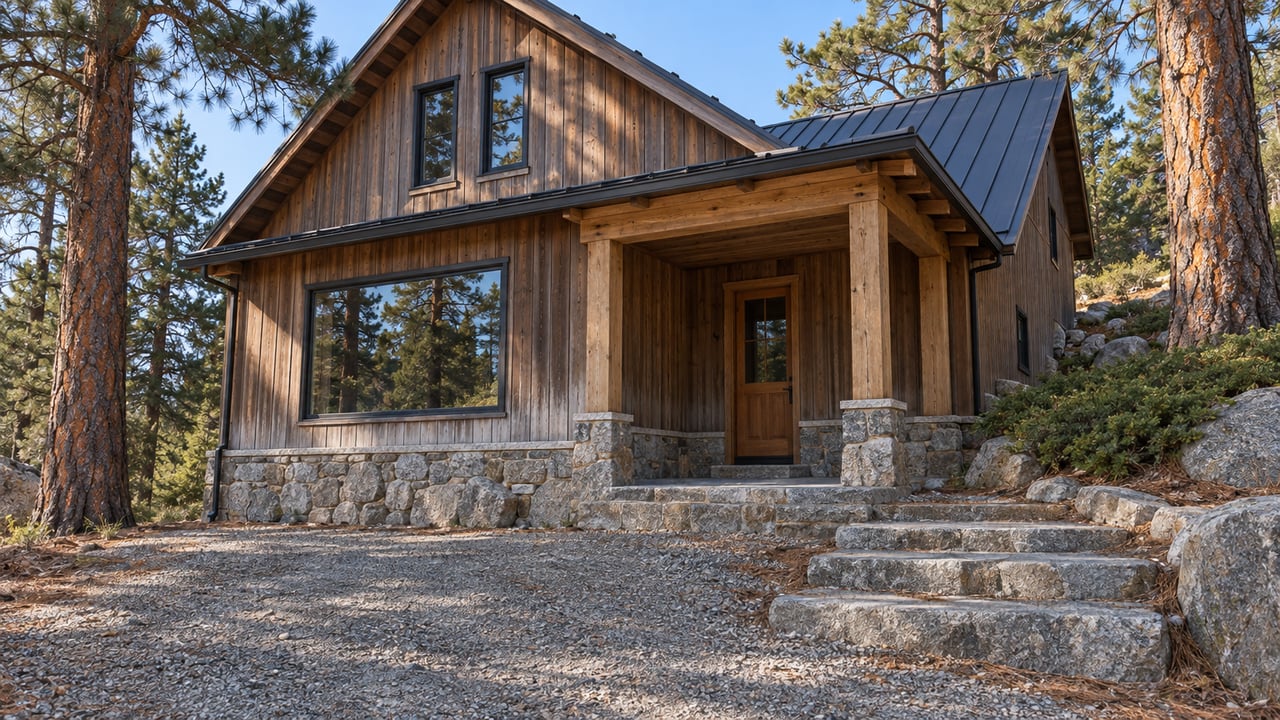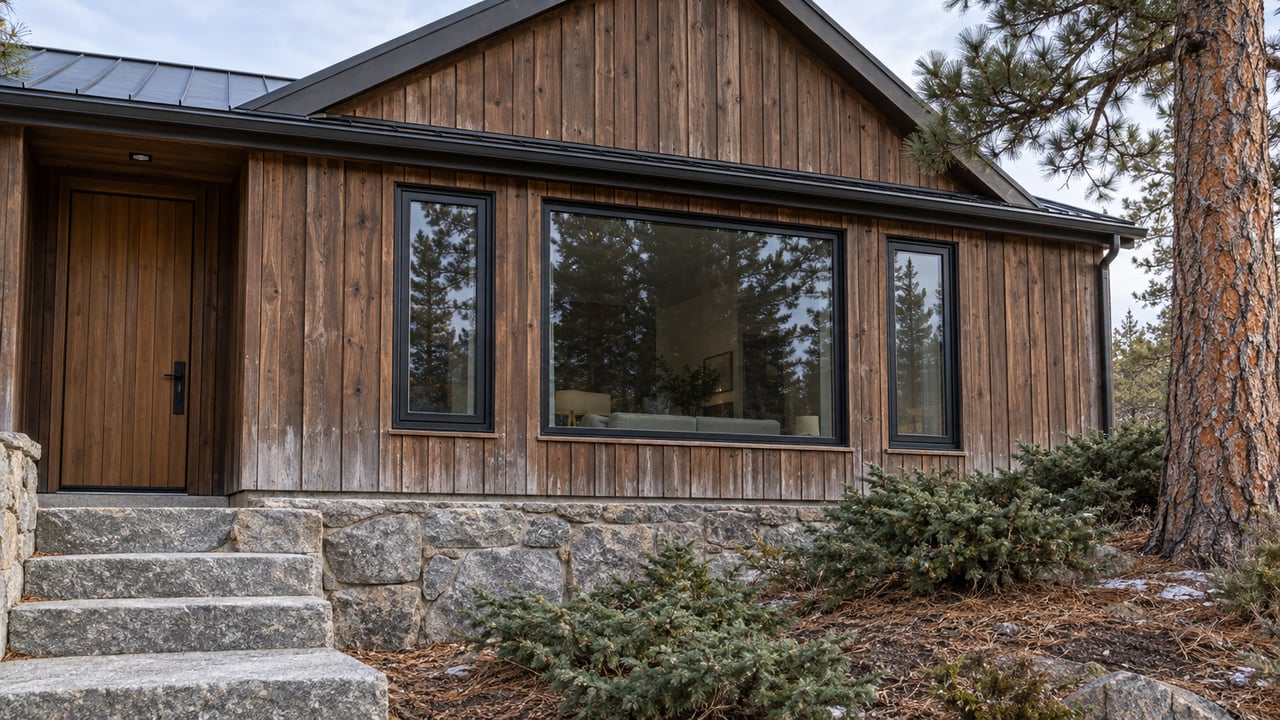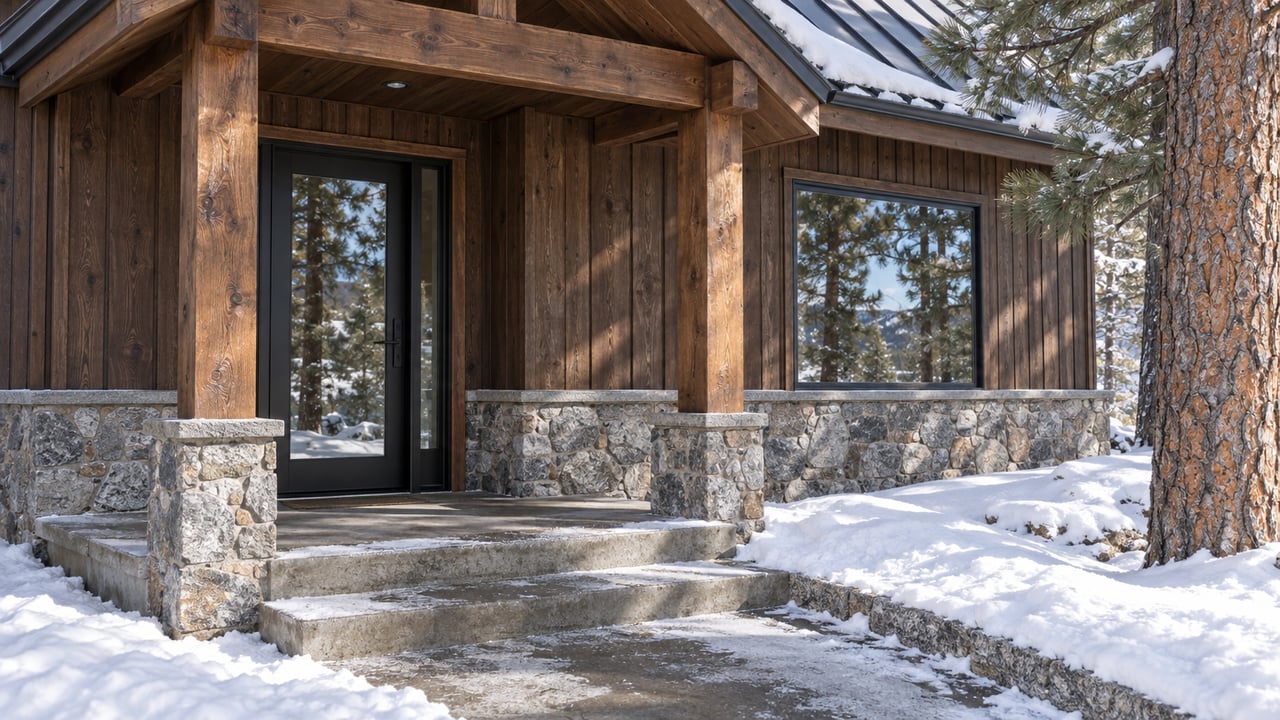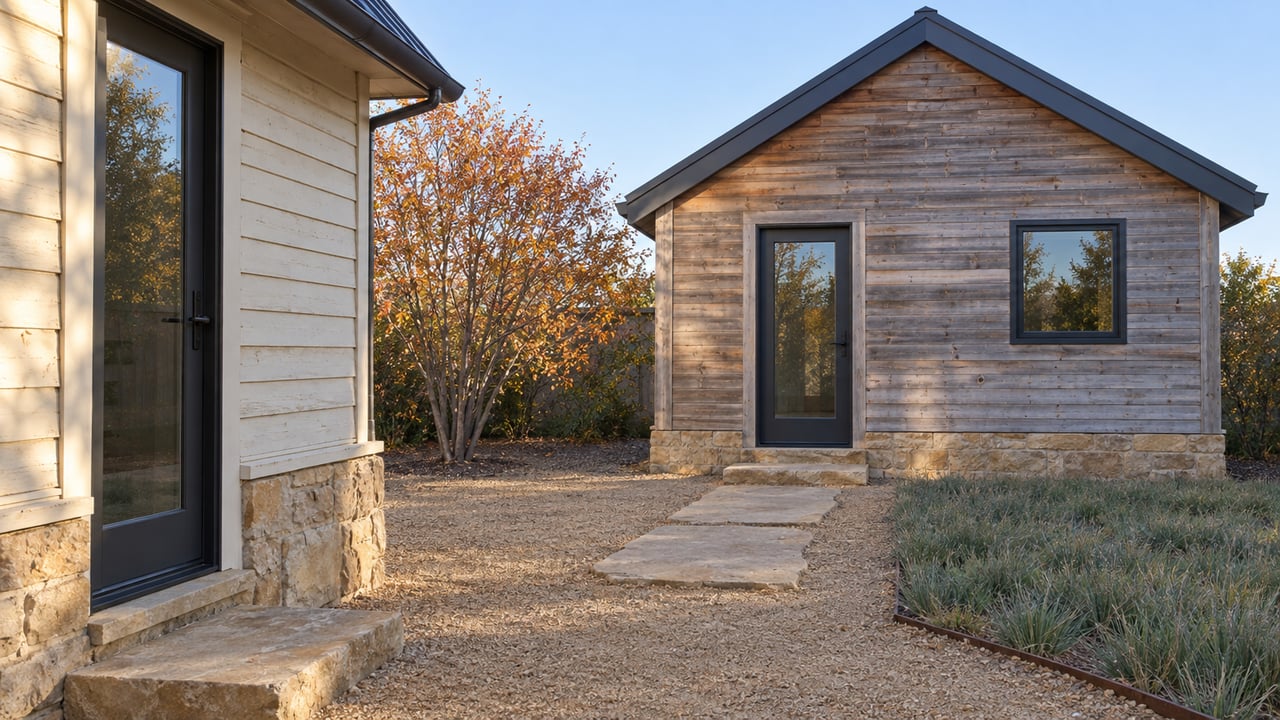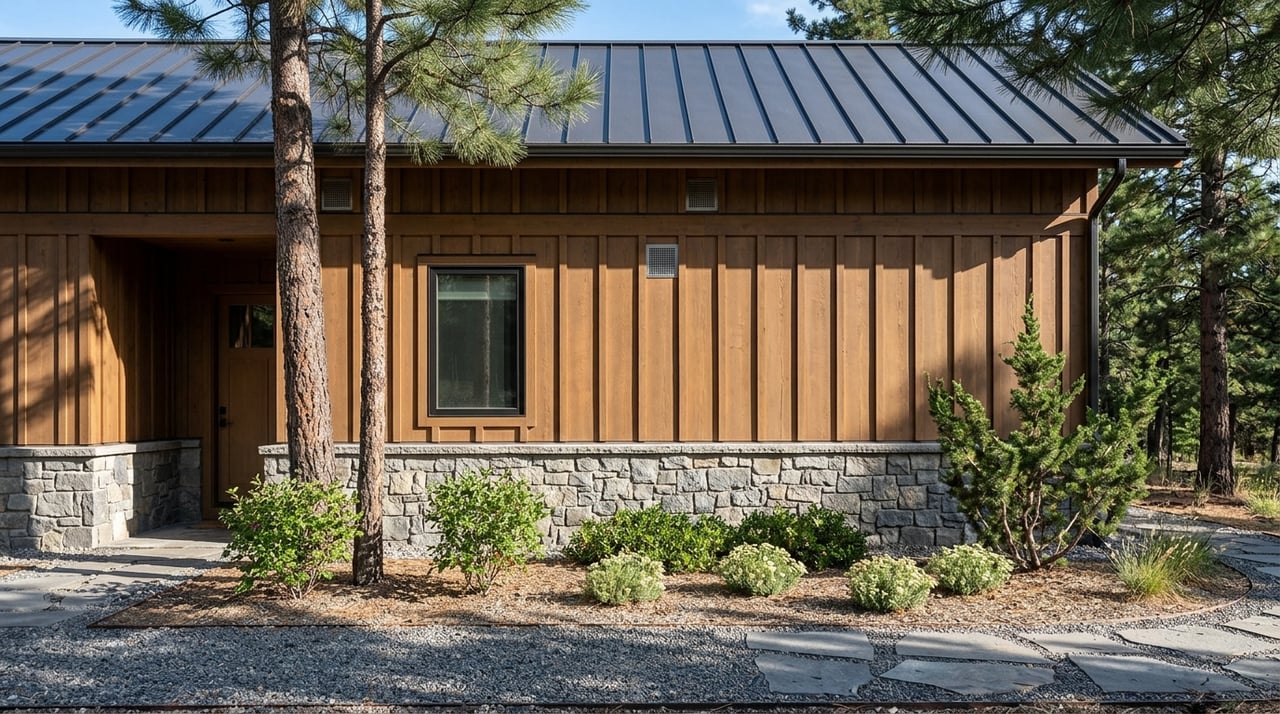
If you own a home in Bailey, wildfire is not just a summer headline. It can affect how you maintain your property, what you pay for insurance, and how smoothly your home sells when it is time to move. The good news is that practical mitigation steps and clear documentation can help you make smarter decisions. Let’s dive in.
Why wildfire matters in Bailey
Bailey sits in a part of Park County where wildfire risk is a real part of mountain living. In a Bailey-area assessment of 1,322 private residential properties in Burland Ranchettes, 82% of properties were rated high, very high, or extreme risk, even though many residents rated their own risk lower. The same report also found that nearly half the properties had only one road in or out, which adds another layer to safety and evacuation planning. You can review those findings in this Bailey wildfire assessment report.
For homeowners, that means wildfire is both a safety issue and a resale issue. Buyers, insurers, inspectors, and appraisers may all look at a mountain property through the lens of access, vegetation, and home hardening.
How Park County treats wildfire risk
Park County does not treat wildfire as only an emergency-season concern. In its land use guidance, the county says major new subdivisions must include a wildfire hazard mitigation plan approved by the local fire protection district, and it encourages existing property owners to contact their local district for guidance. The county also notes that building site selection, driveway design, and access all matter in wildfire-prone areas, as shown in the county’s development guidelines.
In April 2026, Park County adopted a new Wildland-Urban Interface fire risk classification map, and the county states that impacted building codes are tied to that map. If you are planning a rebuild, major addition, or lot purchase, those code connections may become part of your planning process.
What fire mitigation really means
Fire mitigation is not one big project you do once and forget. The Colorado State Forest Service explains that your home and the area around it make up the home ignition zone, and that survivability depends mainly on the structure’s ignitability and the quality of surrounding defensible space. Their wildfire mitigation guidance breaks defensible space into three zones: 0 to 5 feet, 5 to 30 feet, and 30 to 100 feet from the home.
That framework matters because many Bailey homes have trees, decks, slopes, and outbuildings that create different conditions from one parcel to the next. In other words, good mitigation is site-specific.
Key hardening features to review
For many existing Bailey homes, some of the most practical upgrades include:
- A Class A fire-rated roof
- Clearing leaves and pine needles from roofs, gutters, and decks
- Screening attic, roof, eave, and foundation vents with 1/8-inch metal mesh
- Creating about 6 inches of noncombustible clearance between siding and the ground
- Replacing combustible fencing or gates near the home
These recommendations come directly from the Colorado State Forest Service and are part of a broader strategy to reduce ember exposure and improve a home’s chance of surviving a wildfire.
Defensible space is ongoing
One of the biggest misconceptions is that mitigation is finished once brush is cut back. CSFS emphasizes that mitigation requires ongoing maintenance. Needles accumulate, grasses regrow, and trees or shrubs that were once trimmed can become a concern again over time.
That is especially important if you are thinking about resale. A buyer may respond more positively to a property that has been consistently maintained than one with older mitigation work that has not been kept up.
Local resources can help
Bailey-area homeowners do not have to figure this out alone. The Platte Canyon Fire Protection District Community Wildfire Protection Plan and Colorado State Forest Service materials can help you turn broad recommendations into a property-specific action plan.
CSFS also encourages owners to get homesite assessments so the recommendations fit the parcel, access, and vegetation conditions of the property.
How mitigation affects insurance
Insurance is one of the biggest reasons Bailey homeowners should pay attention to wildfire mitigation before they list a home or buy one under contract. According to the Colorado Property & Insurance Wildfire Preparedness Guide, insurers may look at roofing, windows, siding, slope, emergency vehicle access, and distance to fire services. Some companies also require policyholders to actively reduce wildfire risk, and some may require on-site inspections, as outlined in this Colorado wildfire insurance guide.
That means a home’s insurability may depend on more than its address. Features on the property itself can influence whether coverage is offered, what it costs, and whether mitigation discounts apply.
New Colorado disclosure rules
Colorado has already passed a rule change that will affect wildfire insurance transparency. House Bill 25-1182, signed on May 28, 2025, is scheduled to take effect on July 1, 2026. Once effective, insurers that use wildfire risk models or scores must provide annual written notices showing the score, any mitigation discounts, and any other wildfire risk classification used to underwrite the policy.
The law also requires insurers to publish the process for appealing that score. If an insurer does not build property-specific and community-level mitigation into its model, the law requires discounts for policyholders who demonstrate mitigation actions.
The Colorado FAIR Plan backup option
If traditional coverage is not available, Colorado’s FAIR Plan can serve as a backstop. The Colorado Division of Insurance says the plan is designed to provide property insurance when coverage is unavailable through traditional means, and residential homeowners policies became available on April 10, 2025. You can learn more through the state’s FAIR Plan overview.
For Bailey buyers and sellers, that does not remove every challenge. But it does mean there is now a state-backed option that may help support a closing when standard coverage is harder to secure.
What resale value really looks like
When homeowners ask whether fire mitigation increases value, the honest answer is that the Colorado-specific evidence is mixed. In a Colorado Springs case study, overall wildfire risk rating was not a significant driver of estimated sale prices. However, individual features mattered: wood roofing and wood siding were associated with lower prices, while some topographic features increased prices, according to this USDA Forest Service case study.
That is a useful reminder not to oversimplify the issue. Mitigation does not guarantee a higher sale price.
Buyer confidence may matter more
What mitigation can do more reliably is support buyer confidence and insurability. The same Colorado Springs research found that many buyers did not realize a home was in a wildfire-risk area until after making an offer or even after moving in. The Bailey-area Burland Ranchettes report found a similar gap between perceived and actual risk.
In practical terms, that means visible and documented risk reduction can help answer buyer questions early. It can also help buyers feel that a mountain home has been cared for with both safety and long-term ownership costs in mind.
What sellers should document before listing
If you plan to sell your Bailey home, paperwork matters. A future buyer may ask not only what work was done, but when it was done, who recommended it, and whether it affected insurance.
Helpful documentation may include:
- Mitigation invoices and receipts
- Before-and-after photos
- Forester or homesite assessment reports
- Insurance inspection letters
- Community wildfire protection or Firewise-related documentation, if applicable
Clear records can help you show that the property has been actively maintained rather than passively marketed as “mountain rustic” without addressing the realities of wildfire exposure.
What buyers should ask before closing
If you are buying in Bailey, wildfire questions should be part of your due diligence. Insurance, access, and mitigation are all worth reviewing early rather than waiting until the final days before closing.
Here are smart questions to raise:
Ask the insurer
- Will the property require an on-site inspection?
- Which features affect the wildfire risk score?
- Are mitigation discounts available?
- How can a wildfire risk score be appealed?
These questions line up with current Colorado underwriting practices and with the state’s upcoming disclosure rules.
Ask the inspector or mitigation professional
- Is the roof Class A fire-rated?
- Are vents properly screened?
- Are roofs, gutters, and decks clear of needles and debris?
- Is combustible fencing too close to the structure?
- Is driveway and site access adequate for fire apparatus?
These questions reflect guidance from Park County and the Colorado State Forest Service.
Ask about evacuation readiness
- Is the address clearly visible from the street?
- Are there at least two practical ways out of the neighborhood?
- Has the household signed up for emergency alerts?
Park County encourages residents to use its wildfire readiness and CodeRED resources, and CSFS recommends visible addressing and at least two escape routes when possible.
New construction and rebuilds
If your Bailey property involves new construction, major reconstruction, or a substantial addition, wildfire-resiliency code issues may also be part of the process. The state says the 2025 Colorado Wildfire Resiliency Code became effective on July 1, 2025 and is intended to reduce risk by hardening structures and reducing fire risk in defensible space around structures in the WUI.
Because state and county code frameworks continue to evolve, it is wise to verify how a specific parcel or project may be affected before finalizing budgets and timelines.
A tax benefit may help offset costs
Wildfire mitigation can carry real costs, but Colorado does offer a potential tax benefit. The Colorado Department of Revenue says qualifying work can include defensible space, fuel breaks, thinning woody vegetation, and secondary fuel treatment when completed to CSFS or DFPC standards. The state explains the current rules in its wildfire mitigation tax guidance.
If you are planning mitigation work, it may be worth keeping organized records so you can review whether your project qualifies.
The bottom line for Bailey homeowners
In Bailey, wildfire readiness is part of responsible homeownership. It can shape your maintenance plan, affect your insurance options, and influence how buyers evaluate your property when it hits the market. While mitigation does not promise a higher sale price, it can make your home easier to understand, defend, insure, and market.
If you are thinking about buying or selling in Bailey and want help evaluating how wildfire, access, insurance, and property presentation fit into your next move, connect with the Alpine Peaks Team. You will get local guidance grounded in the realities of Colorado mountain living.
FAQs
What wildfire risk should Bailey homeowners assume for their property?
- Bailey homeowners should not assume their property has low or moderate risk without verification. A Bailey-area assessment found that 82% of surveyed properties in Burland Ranchettes fell into high, very high, or extreme wildfire-risk categories.
What fire mitigation improvements matter most for Bailey homes?
- Common priorities for Bailey homes include a Class A fire-rated roof, clean roofs and gutters, screened vents, noncombustible clearance near siding, and reducing combustible materials close to the house.
What should Bailey home sellers give buyers about wildfire mitigation?
- Bailey sellers should gather mitigation invoices, before-and-after photos, homesite assessments, insurance inspection letters, and other records that show what work was completed and when.
What insurance questions should Bailey home buyers ask before closing?
- Bailey buyers should ask whether the property will be inspected, which features affect wildfire scoring, whether discounts are available for mitigation, and how any score can be appealed.
What emergency planning steps should Bailey residents take for wildfire season?
- Bailey residents should identify evacuation routes, keep a go-bag ready, make sure the address is visible from the street, and sign up for Park County emergency alerts through CodeRED.