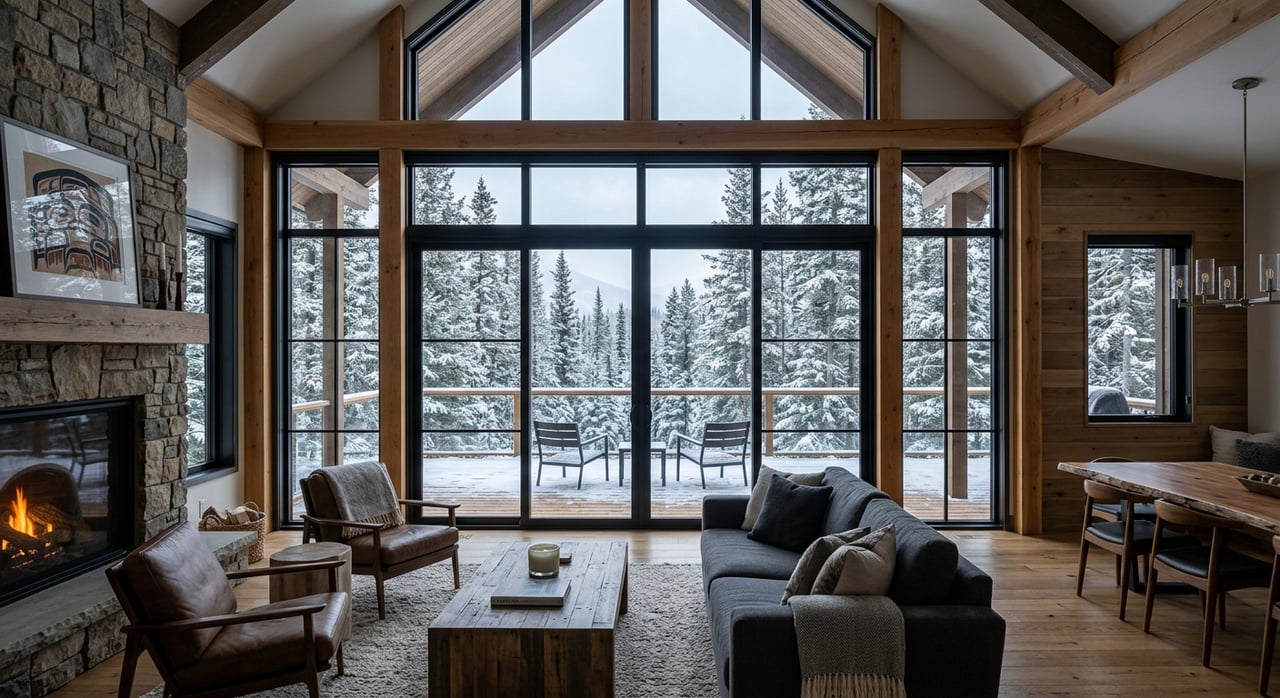
Ready for more trees, more space, and a daily routine that feels a little less rushed? If you have been weighing life in a Denver suburb against a move to Evergreen, you are probably trying to balance lifestyle goals with practical realities. The good news is that Evergreen offers a very distinct kind of mountain living, and knowing the tradeoffs can help you decide with confidence. Let’s dive in.
Evergreen Feels Different by Design
Evergreen is not simply a suburban extension of Denver. Jefferson County describes it as a mountain residential community with a quiet setting, village-like commercial areas, and residential patterns that range from more active centers to low-density suburban and rural character.
That distinction matters when you are comparing it to a typical Denver suburb. In Evergreen, the goal is not to recreate a full city-style amenity base in the foothills. Instead, the area is shaped around mountain scenery, a rural atmosphere, environmental quality, and local everyday services.
What You Gain in Evergreen
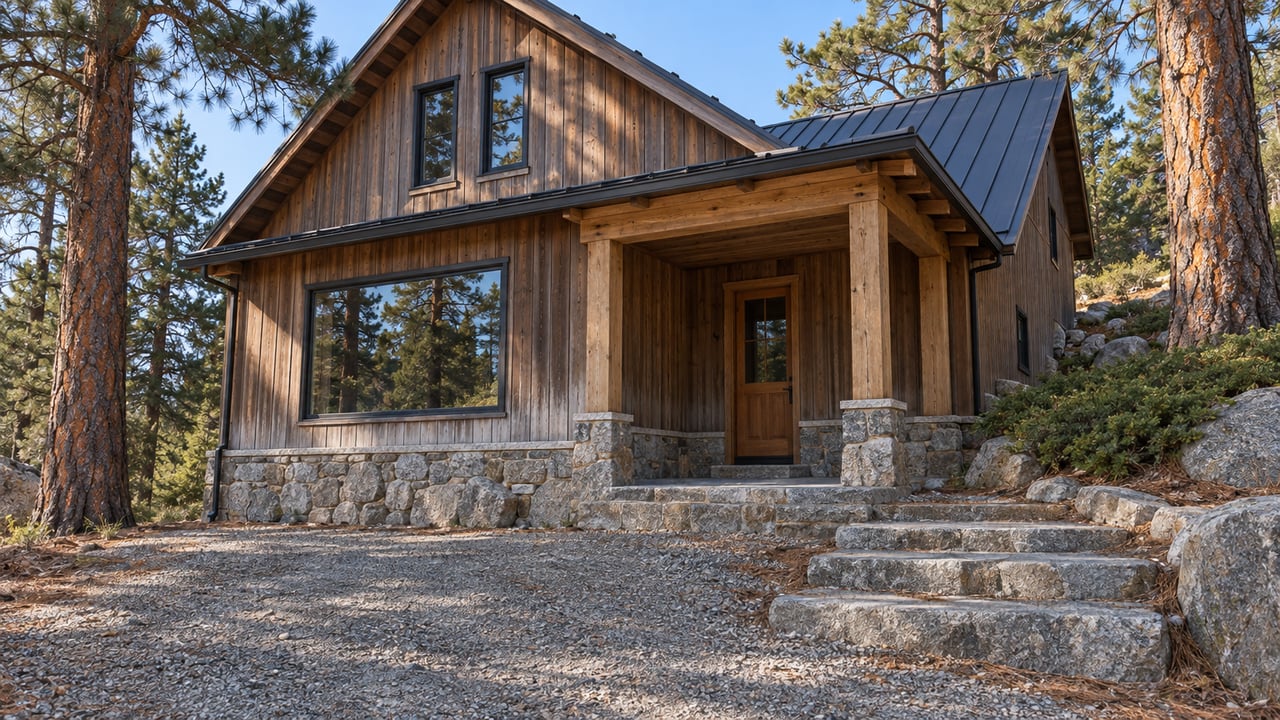
For many buyers, the appeal starts with the setting. Evergreen is built around a mountain lifestyle, with access to open space, trails, and a quieter pace that can feel far removed from denser metro living.
The Evergreen Park & Recreation District serves about 23,000 people across 50,000 acres, or roughly 78 square miles, west of Denver. It also manages more than 230 miles of hiking and biking trails, which gives you a strong sense of how outdoor access is woven into daily life here.
Jefferson County Open Space also highlights nearby recreation options that many residents use regularly. Alderfer/Three Sisters Park sits near the heart of Evergreen and is noted for having the most trails per acre of any foothills park, while Elk Meadow Park connects Bergen Park to Evergreen Lake through the Pioneer Trail.
In simple terms, Evergreen often fits buyers who want:
- More connection to nature
- A quieter daily pace
- A lower-density residential setting
- Easy access to trails and outdoor recreation
- A home environment shaped by scenery and topography
What You Trade for Mountain Living
The lifestyle shift is real, but so are the practical adjustments. When you move from a Denver suburb to Evergreen, you are usually trading convenience density for space, character, and mountain access.
Jefferson County’s planning framework makes that clear. The area is intended to provide basic local services, but secondary commercial needs are expected to be met outside the area. That means your errands may be more spread out than they would be in a typical suburb with concentrated retail and service corridors.
Transit is also more limited. RTD’s Evergreen Park-n-Ride has free parking and serves one bus route and one FlexRide route, but the FlexRide is reservation-only and does not run on Sundays or holidays.
Route EV connects Evergreen with Federal Center and downtown Denver on weekday peak trips. Based on the published schedule, transit can be helpful for some commuters, but it is not a full replacement for driving if you need frequent or flexible travel.
Commuting from Evergreen to Denver
If you work in or around Denver, commute planning deserves serious attention. Evergreen is accessed mainly by I-70, Highway 285, and Highway 74 through Bear Creek Canyon, so daily travel depends on a limited number of mountain routes.
That is one of the biggest differences from suburban living. In many Denver suburbs, you may have multiple arterial roads and a denser street network. In Evergreen, route choices are fewer, and mountain corridor conditions can play a bigger role in how your day unfolds.
The current CDOT Floyd Hill project, which covers a 4.5-mile stretch of the I-70 corridor west of Evergreen to Idaho Springs, is designed to improve traffic flow, safety, and emergency response. That project highlights just how important the mountain corridor is for regional movement.
Before you make a move, it is smart to test your actual commute timing in both directions. A route that looks manageable on a map can feel very different in real life, especially if your schedule is fixed or you need to be in the office often.
Housing in Evergreen Is More Site-Specific
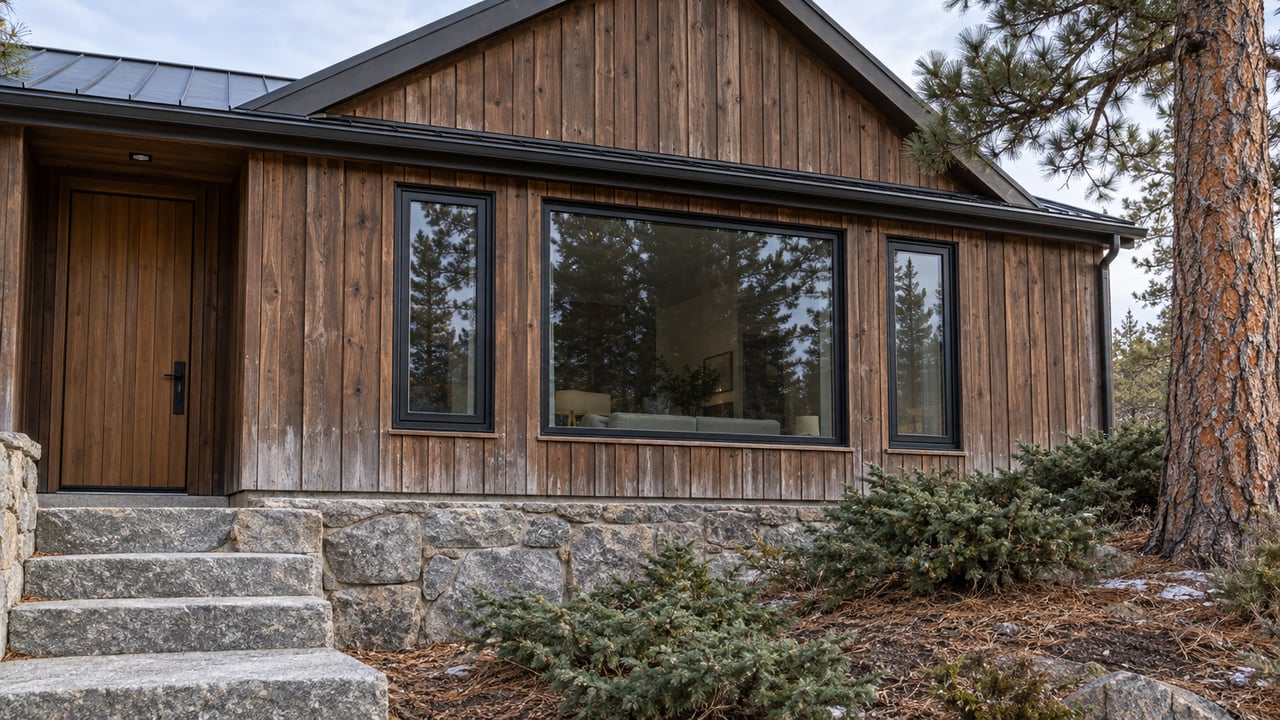
One of the biggest mindset shifts is how homes are situated. In a Denver suburb, you may be comparing floor plans, lot sizes, and subdivision amenities. In Evergreen, you are often comparing terrain, access, privacy, and property-specific conditions.
Jefferson County says future development in Evergreen should remain scaled for a rural community and stay sensitive to water, steep slopes, wildfire, wildlife, visual resources, historic structures, and transportation. That means homes here often come with more site-specific considerations than a typical suburban property.
The county also expects lower-density residential development and open land to remain in areas south of downtown Evergreen and along the JC73 corridor. So if you are looking for elbow room and a more spread-out residential pattern, that is part of the long-term vision for the area.
Downtown Evergreen adds another layer of character. It is one of only a few main-street downtowns in unincorporated Jefferson County, and the county wants to preserve its historic character. At the same time, small lots, steep topography, zoning, and floodplain conditions can make redevelopment more difficult.
For buyers, the takeaway is simple: in Evergreen, homes are not just houses. They are also pieces of land with unique conditions that deserve careful review.
Daily Life: Local Services Are Here, But Not Everywhere
Evergreen does offer practical day-to-day services. The Evergreen Library is a full-service branch with long daily hours, meeting and study rooms, EV charging, a ballot drop box, and in-person voter services. Jefferson County also operates a motor vehicle office in Evergreen.
Those details matter because they show that Evergreen is not remote in the way some buyers first imagine. You can handle many everyday tasks locally while still enjoying a mountain setting.
Still, the area is not organized like a denser suburb where nearly every errand is clustered nearby. Jefferson County’s plan is clear that basic services are local, while secondary commercial needs are expected outside the area. If convenience is your top priority, that tradeoff should be part of your decision.
Who Usually Loves Evergreen
Evergreen tends to be a strong fit if you are looking for a home that feels tied to the landscape. Buyers who prioritize scenery, trail access, a quieter setting, and a more rural-feeling residential environment often find that the move aligns with how they want to live day to day.
You may especially appreciate Evergreen if you are comfortable planning around mountain logistics instead of expecting suburban convenience at every turn. For many people, that is a worthwhile exchange for more space, more nature, and a stronger sense of place.
Who Should Think Carefully Before Moving
Evergreen is not the right fit for every household. If you need frequent transit, very dense shopping or medical convenience, or the shortest possible commute, you may feel the mountain tradeoffs more sharply.
That does not mean Evergreen is off the table. It simply means the decision should be grounded in your real routine, not just the lifestyle image. A home can be beautiful and still be a poor fit if the logistics do not match your needs.
A Smart Evergreen Move Checklist
Before you trade a Denver suburb for Evergreen mountain living, make sure you review the practical side of the move.
Use this checklist as a starting point:
- Test commute times in both directions
- Consider your comfort with winter driving
- Ask about wildfire mitigation expectations
- Verify whether the property has slope-related constraints
- Confirm septic and water considerations where applicable
- Think about how often you need services outside Evergreen
These are not minor details in a mountain market. They are part of what makes buying in Evergreen different, and understanding them early can help you avoid surprises later.
The Real Evergreen Tradeoff
The clearest way to frame the decision is this: Evergreen offers more space, more nature, and more character, but you pay for it with added commute complexity and a less convenience-dense daily routine.
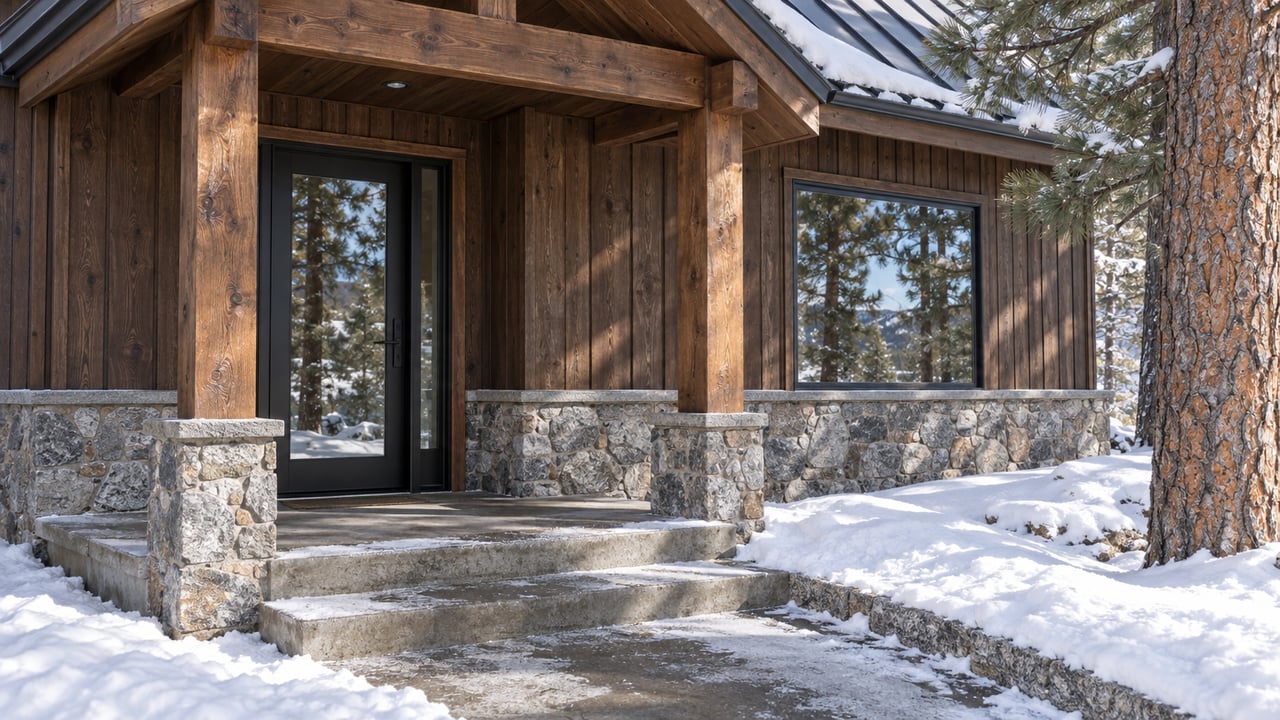
For many buyers, that trade feels worth it the moment they step onto a deck surrounded by evergreens or finish a trail close to home. For others, the daily logistics of a mountain community may outweigh the lifestyle upside.
If you are considering the move, the right question is not whether Evergreen is better than a Denver suburb. The better question is whether Evergreen fits the way you actually want to live.
If you want help comparing foothills neighborhoods, understanding property-specific mountain considerations, or finding the right balance between access and lifestyle, the Alpine Peaks Team is here to help.
FAQs
What makes Evergreen different from a Denver suburb?
- Evergreen is planned as a mountain residential community with lower-density development, village-like commercial centers, and a stronger focus on scenery, rural character, and environmental quality.
Is commuting from Evergreen to Denver realistic?
- It can be, but your travel depends on a limited number of mountain routes such as I-70, Highway 285, and Highway 74, so commute flexibility and route testing are important.
Does Evergreen have public transit options?
- Yes, but service is limited. The Evergreen Park-n-Ride serves one bus route and one reservation-only FlexRide route, and transit works better as a supplement than a full replacement for driving.
Are homes in Evergreen different from homes in suburban neighborhoods?
- Yes. Evergreen homes are often more site-specific, with considerations such as steep slopes, water, septic, wildfire, access, and terrain playing a larger role in the buying decision.
Does Evergreen have everyday services nearby?
- Yes. Evergreen has practical local services such as a full-service library and a county motor vehicle office, but many secondary commercial needs are still expected to be met outside the area.
Who is Evergreen a good fit for?
- Evergreen is often a strong fit for buyers who want more space, trail access, mountain scenery, and a quieter daily pace, and who are comfortable with the tradeoffs that come with lower-density foothills living.